

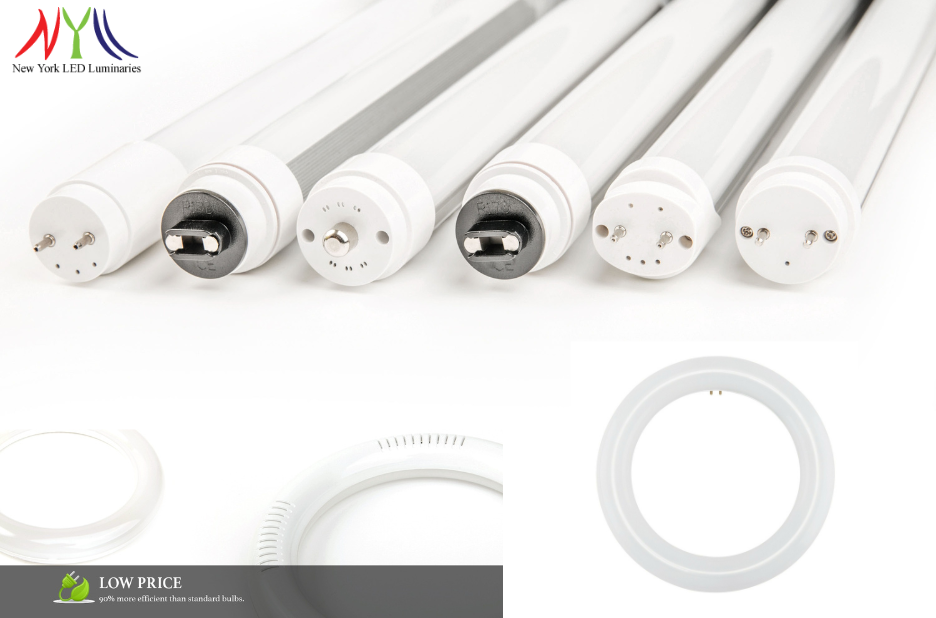
Overview of LED options
When you start planning a lighting retrofit, understanding the available LED options is essential. The f36t12/cw/ho led replacement category covers compact, reliable tubes designed to fit standard fixtures. These devices vary in colour temperature, heat management, and dimming capabilities, so selecting the right combination for a workspace depends on how f36t12/cw/ho led replacement the area is used and the existing electrical setup. The goal is to maintain good colour rendering while improving efficiency and reducing maintenance needs over time. A measured approach helps avoid over-lights and ensures a comfortable ambience across tasks and zones.
Assessing your current fittings
Before purchasing new tubes, inspect your current fittings for compatibility with modern LED tubes. Many fixtures were built for legacy fluorescents and require specific end-caps or drivers. You may find that magnetic ballasts need to be replaced with an as-new electronic ballast or that direct-wire configurations are more suitable. Checking the fixture type, ballast compatibility, and any appliance drawing limits will prevent nuisance flicker and premature failure after installation.
Choosing the right colour and brightness
Colour temperature is critical for work environments, with cool white (cw) varieties often preferred in retail and office spaces because they promote alertness and focus. For a balanced look, consider a moderate lumen output that provides sufficient brightness without harsh glare. High-CRI options improve how colours appear under lighting, which is important for photographs, displays, and detailed inspection tasks. Always compare data sheets to confirm the stated performance under typical room conditions.
Installation tips for safe upgrades
Installations should prioritise safety and code compliance. If you are comfortable with basic electrical work, you can replace the tubes in a de-energised circuit, ensuring pins align correctly and that all power is off during changes. For fixtures with ballasts, verify whether they require removal or rewiring for direct-wire operation. Use appropriate tools, avoid touching the glass, and keep a record of part numbers for future maintenance or warranty claims. If in doubt, engaging a licensed electrician is the prudent choice.
Practical maintenance and cost considerations
LED tubes typically offer longer lifespans and lower energy use than their fluorescent predecessors, reducing maintenance calls and downtime. Calculate payback by comparing upfront costs to expected energy savings over the useful life of the product. Keep spare tubes and end caps on hand to quickly swap out any failing components. Long-term reliability also depends on proper air circulation and avoiding excessive heat build-up around the fixture.
Conclusion
Making the switch can be straightforward when you plan around compatibility, brightness, and safety. For ongoing support and a range of compatible options, consider consulting local lighting specialists and checking user reviews. Visit New York LED Luminaries for more guidance and practical recommendations on similar tools.