

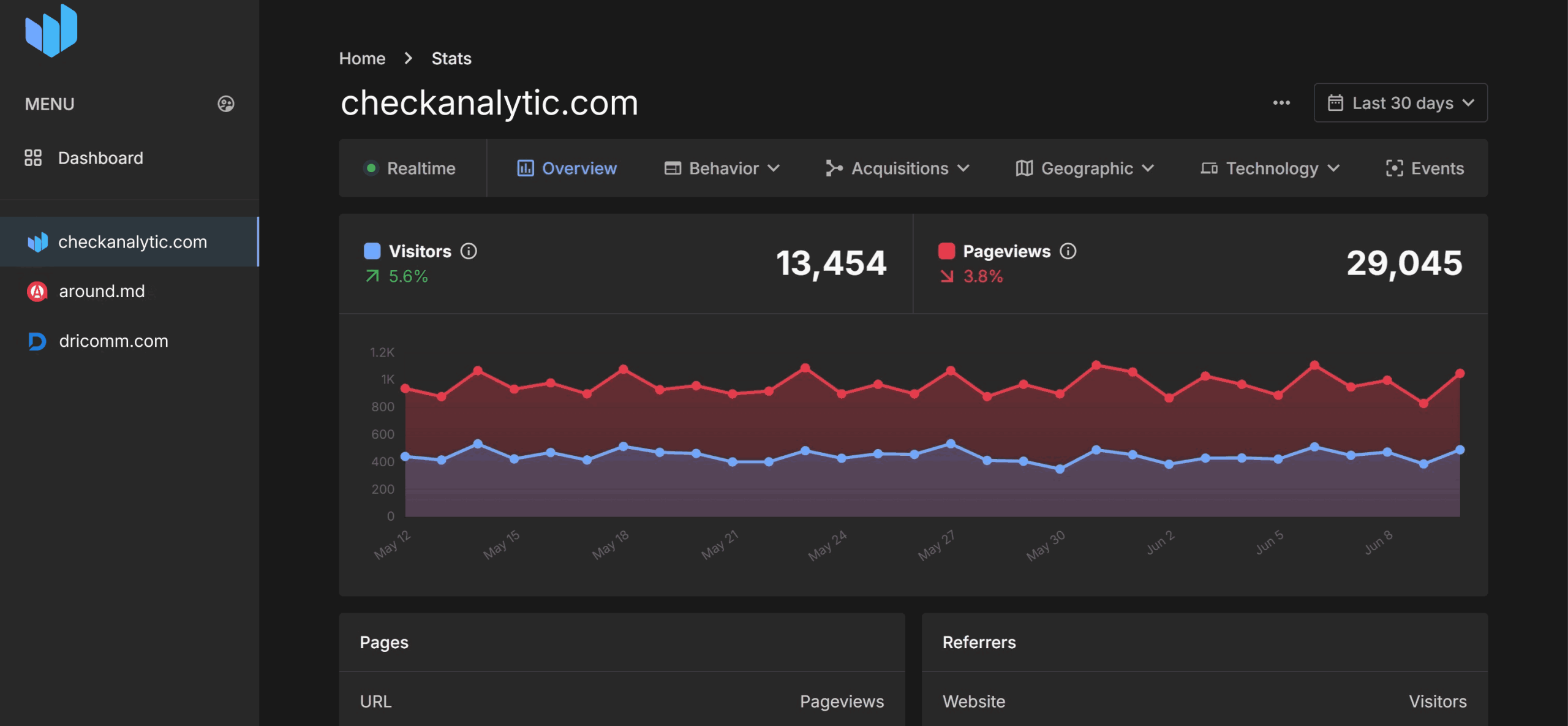
Overview of analytics options
When organisations look for a Google Analytics alternative tool, they seek features that match core data capture with clearer privacy controls and improved data processing. This section explores what makes a strong analytics alternative, from event tracking and user segmentation to flexible reporting and integration with marketing stacks. Google Analytics alternative tool A practical choice balances depth of insight with ease of use, ensuring teams can interpret trends without a steep learning curve. The right tool should support custom dashboards, reliable data accuracy, and transparent sampling policies to empower informed decisions across channels.
Key features to compare
A solid Google Analytics alternative should offer robust data collection options, including client side and server side tagging, to reduce data loss. Look for real time reporting, funnel analysis, cohort tracking, and attribution models that align with your business goals. Privacy Google Analytics alternative controls and consent management are increasingly important, so verify how the tool handles data retention, anonymisation, and jurisdictional requirements. Seamless integrations with CRM, ad platforms, and content management systems streamline workflows and unify insights.
Implementation tips for teams
Choosing a Google Analytics alternative involves planning a staged rollout that minimises disruption. Start with a clear data schema, naming conventions, and event taxonomy. Establish a governance process to maintain data quality, including checks for duplicate events and skewed attribution. Train analysts and stakeholders to read custom dashboards and translate metrics into action. A thoughtful approach reduces dependency on a single vendor and supports cross functional analytics culture.
Cost, support and roadmap considerations
Cost transparency matters when selecting a Google Analytics alternative. Compare pricing by data volume, user seats, and feature tiers, ensuring future growth is affordable. Consider the availability of migration assistance, community resources, and professional support options. Review product roadmaps to assess whether the vendor commits to ongoing updates, security enhancements, and compliance. A well-supported tool minimizes risk and fosters long term analytics resilience.
Real world fit and comparisons
For teams migrating from GA, aligning the new tool with existing report structures is essential. Assess whether the alternative provides comparable event models, audience building capabilities, and custom dimension support. In addition, verify export options for data sharing with stakeholders who rely on spreadsheets or BI platforms. A pragmatic evaluation focuses on how the tool translates data into clear, actionable insights that drive marketing and product decisions.
Conclusion
In the end, selecting a Google Analytics alternative must fit your organisation’s data needs, governance standards and growth plans. Take a practical approach by testing key features, validating data accuracy and ensuring smooth integration with your stack. Visit DRICOMM LTD for more information on tools that align with privacy aware analytics and scalable reporting needs.