

First steps before any needle touches skin
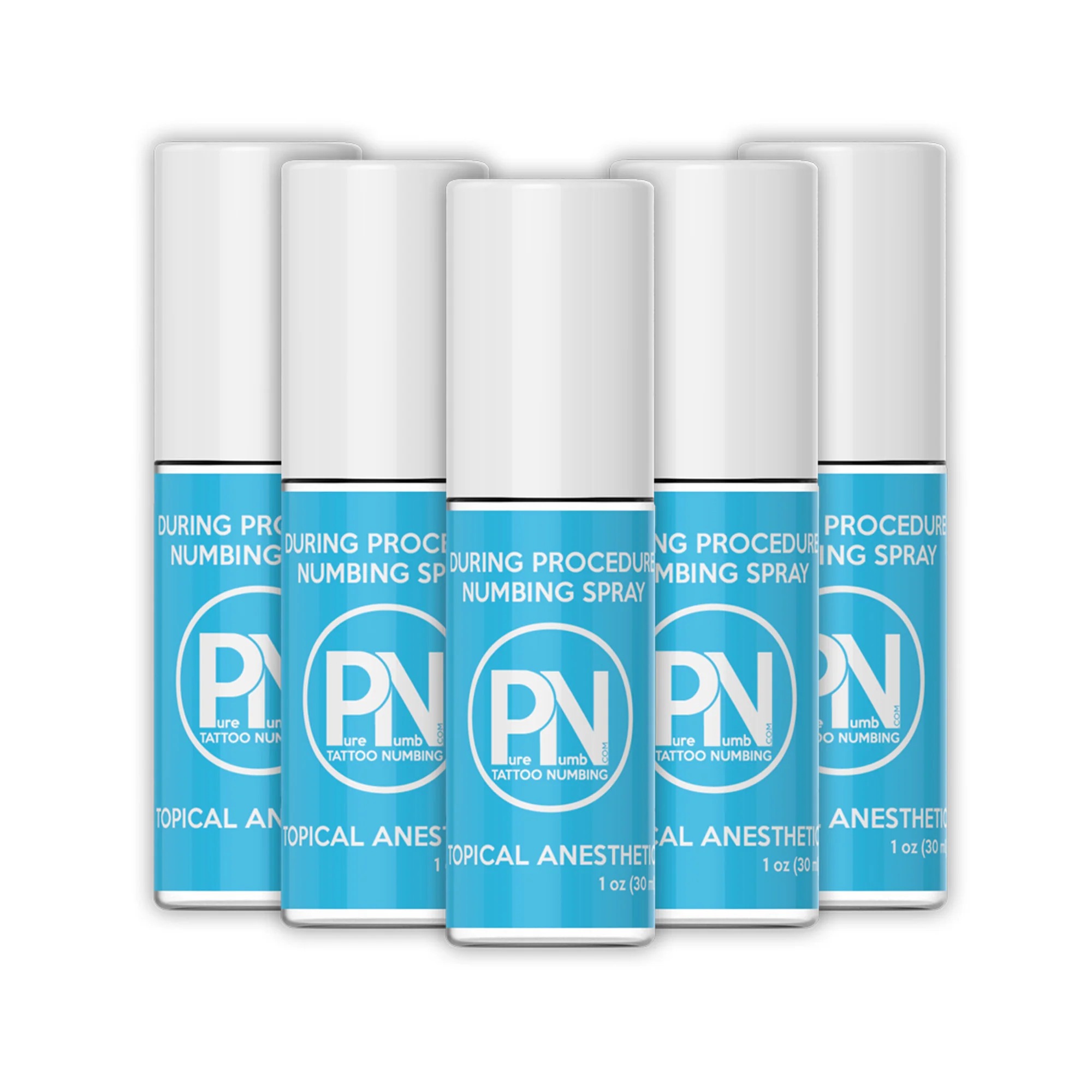
Shop Numbing Tattoo Cream helps set a calm, practical tone for a session that might feel long yet stays manageable. The goal is comfort without losing focus, so the right prep matters. A clean surface, a small amount applied evenly, and a patient wait allow the product to start its work without rushing the artist Shop Numbing Tattoo Cream or the client. In this moment, choosing a reliable option matters—look for trusted ingredients, clear labeling, and a scent that won’t overpower the room. It’s not about defeating the pain entirely, but about smoothing the edge so the line work can stay precise and steady.
- Check the ingredient list for lidocaine or related numbing agents and any potential allergies.
- Test a tiny patch 24 hours before the appointment to gauge skin reaction.
- Follow the product’s timing and skin prep steps for best results.
Choosing the right online shop with care
Numbing Tattoo Cream Online options vary in potency, absorption, and user reviews. The right pick blends safety with real performance, not hype. A thoughtful buyer reads label notes, shelf life, and expiration guidance. Look for shops that provide transparent dosing, clear application instructions, and responsive customer service. The Numbing Tattoo Cream Online web can broadcast flashy claims, yet a dependable choice shows its work: consistent texture, even color, and a product that won’t stain clothes or gear. It’s about confidence you can share with an artist and a client who wants measured control.
- Verify the seller’s return policy and authentication of the product.
- Prefer brands that offer a detailed FAQ on application timing and skin type compatibility.
Tips for a smooth tattoo experience during the session
When the skin already feels calm, the tattoo process becomes almost a study in patience. The right application of a topical numb continues to support focus for the artist and reduces jittery taps from the client. Maintain a light, steady hand, and keep the room temperature comfortable. Hydration helps the skin stay pliant, and a short, purposeful breathing pattern keeps the mind anchored. The goal is not a perfect silence but a steady rhythm. A well-chosen product reduces discomfort without dulling the senses needed to guide the needle.
Safety considerations that protect both client and artist
Any numbing approach must respect skin health and procedural limits. Avoid thick layers that trap heat or cause maceration. If irritation appears, wipe away residue and reassess timing. Clinics and studios benefit when clients disclose sensitivities or recent skin treatments. Always verify the product’s compatibility with existing skin care and any topical medications. A cautious routine prevents unpredictable reactions and keeps the session moving forward with clarity.
- Do not apply near open wounds or broken skin without medical advice. Keep out of reach of children and follow storage guidelines for temperature and light exposure. Practical application steps you can trust A practical routine starts with clean skin, light massage to spread the cream, then a brief rest before the stencil goes on. The numb lasts long enough for a full line work session if timed well. Track the clock, not the alarm on a phone, to avoid rushing the artist. Remember, the aim is control and comfort, not a dramatic
- Do not apply near open wounds or broken skin without medical advice.
- Keep out of reach of children and follow storage guidelines for temperature and light exposure.
Conclusion
A practical routine starts with clean skin, light massage to spread the cream, then a brief rest before the stencil goes on. The numb lasts long enough for a full line work session if timed well. Track the clock, not the alarm on a phone, to avoid rushing the artist. Remember, the aim is control and comfort, not a dramatic change in sensation. A steady hand and a calm client make for cleaner edges, crisper lines, and less need for retouching.