

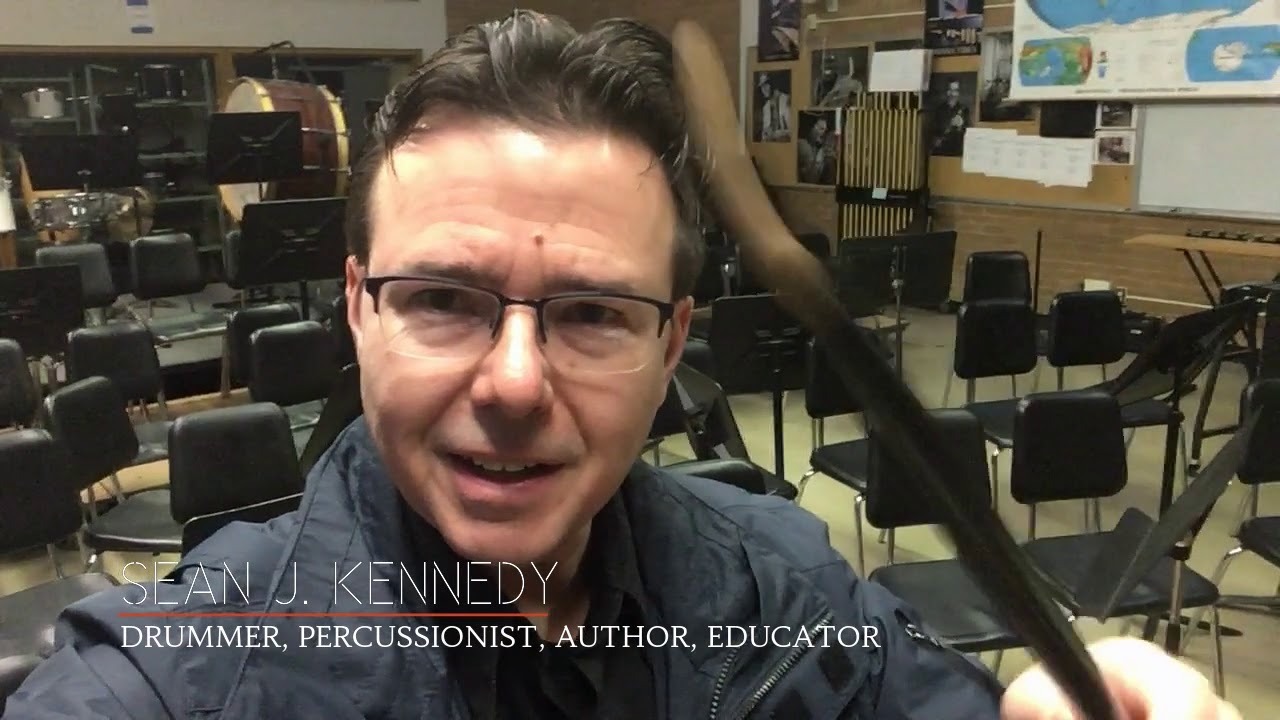
getting comfortable with the grip
When new players pick up drumsticks for beginners, the first win is control. A relaxed grip helps fingers sit light on the sticks, not tense, not eager to flare. Practise starts with slow taps on a practice pad, keeping wrists loose and the back of the hand free to move. The aim drumsticks for beginners is a steady rebound, not a rigid press. Small, deliberate motions beat big, busy movements. A beginner finds that progress comes in tiny increments, like a gentle knock on a door that opens to a clean, crisp stroke rather than a loud shout.
choosing the right drumstick teaching tool
For any budding drummer, a drumstick teaching tool can be a lifesaver. A simple device helps guide wrist alignment and stick angle, nudging beginners toward a natural bounce. Look for a light weight, a balanced taper, and a grip that sits snug without drumstick teaching tool pinching. Use it during slow practice, then swap to a standard stick as confidence grows. The goal is a smooth arc from wrist to tip, not a forceful hit that tired arms oppose after ten minutes.
steady tempo and consistent motion
As confidence builds, focus on even tempo with those drumsticks for beginners. Start a 60 beats per minute metronome, then count aloud in steady breath. The trick is to avoid rushing terrain that leads to sloppy endings. Short, crisp strokes on the pad create a reliable beat map. When the mind wanders, refocus on the stick’s return path—the tip must glide back to the same starting point every time, as if tracing a quiet line in the air.
using a drumstick teaching tool in daily drills
Regular drills with a drumstick teaching tool reinforce correct wrist angle and rebound. Place the tool on the pad and practice a slow, deliberate single stroke. Move to alternating hands, keeping shoulders square and elbows light. A consistent practice cadence builds muscle memory without contracting the grip. Over weeks, subtle shifts multiply: less shoulder tension, greater stick control, and a sharper, more expressive sound across simple rock and pop backbeats.
building routine and setting tiny targets
Creating a reliable routine matters when learning with drumsticks for beginners. Start with ten minutes daily, then stretch to fifteen after a week. Schedule end-of-session checks: can each stroke land on the pad’s centre? Is the rebound even? Small milestones, like a clean double-stroke swap, turn practice into momentum rather than drift. The most powerful advantage comes from consistent touch, not raw power, letting pace ride the natural feedback from the practice pad.
Conclusion
The path from curious grip to confident groove is made in bite-sized steps, where comfort with the stick fuels listening to the drum’s echo. In time, the rhythm kicks in, and the body learns to place each stroke with intention rather than force. Beginners notice how quiet sessions become solutions, how simple tweaks unlock bigger sound without strain. Eventually the mind and body align, turning practice into a genuine conversation with the kit. Hingestix.com offers helpful gear and tips that keep this journey steady, practical, and fun as the stick becomes a natural extension of the hand.