

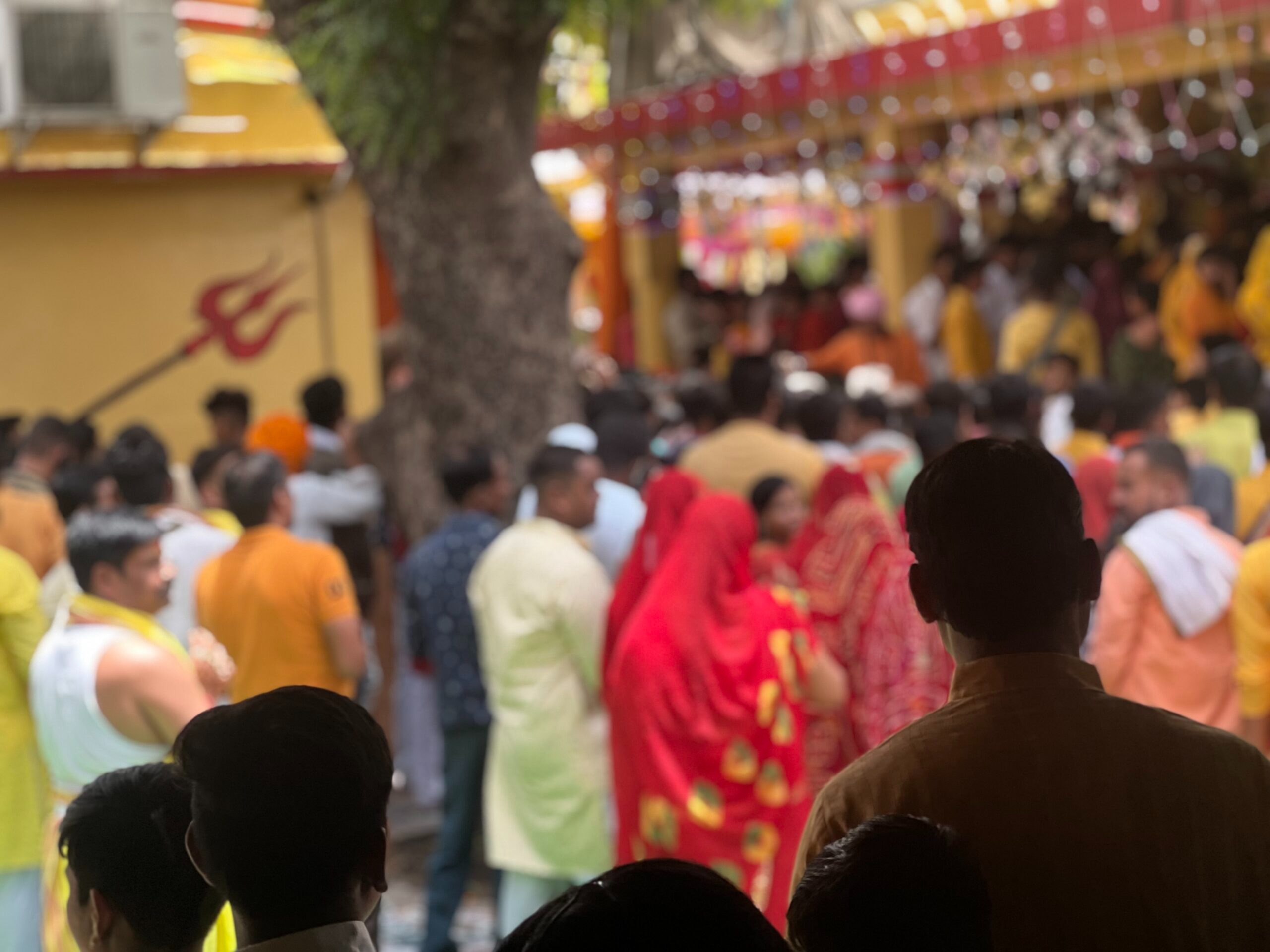
Ancient role of the Baglamukhi temple pujari
In the heart of a revered shrine, the Baglamukhi temple pujari moves with a calm focus that feels almost ceremonial. This guide follows the daily rhythm where lamps flicker, recitations weave through air heavy with sandalwood and camphor, and the temple’s sacred space opens to seekers who arrive with questions and a quiet intent. Baglamukhi temple pujari The pujari’s voice anchors the ritual, guiding newcomers through a sequence that balances formality with personal connection. When the lamps burn low, the tone shifts to intimate counsel, offering practical steps to carry the energy of the deity into daily life while keeping respect intact.
Anushthans for Baglamukhi at Nalkheda explained
In nearby Nalkheda, practitioners talk of Anushthans Baglamukhi nalkheda as a disciplined path that blends tradition with modern needs. The process is not merely symbolic; it is a concrete program of prayers, fasting, and mindful actions that align with the temple’s lineage. For many, the sequence clarifies intentions, Anushthans Baglamukhi nalkheda helping focus finances, health, and family harmony under a protective, radiant gaze. Practitioners share practical timelines, suggested frequencies, and simple rituals that can be done at home or within temple grounds, ensuring the practice remains accessible without diluting its gravitas.
What to expect during a temple visit
Visitors often notice the hush before the bell, the careful placement of offerings, and the sense that time slows down for a moment. The temple ambience is more than scent and candlelight; it is a curated microcosm where intention matters as much as ritual. People describe learning the sequence, bowing respectfully, and leaving with a small tika of blessed power to remind them of steady resolve. The practical takeaway is clear: carry a note of gratitude, document any insights, and return with questions rather than excuses when the routine feels heavy or unclear.
Guidance for beginners seeking spiritual focus
Beginners approach with curiosity and a plan to observe rather than improvise. The focus is on listening first, speaking later, and honoring the tradition that sustains clarity. A practical path includes short, daily chants, a quiet hour of reflection, and a simple act that supports a larger goal. The best outcomes arise when the seeker keeps expectations modest, records progress, and treats every session as a check-in with inner truth rather than a race to a solution. Over time, consistency builds a steady inner compass.
Rituals that connect home and temple life
Home practice can echo temple rhythms through a few accessible rituals: a clean space, a small lamp, and a brief reading that anchors intention. The simplicity of daily acts makes a tangible difference, especially when the day grows noisy. By pairing a short prayer with a moment of breath, the seeker ferry’s calm into routines like work, study, or caregiving. The outcome is a raised awareness of choices, a gentler approach to stress, and a sense that sacred energy travels beyond brick and mortar into ordinary moments.
Conclusion
In the end, the path around Baglamukhi temples blends discipline with personal insight. The temple space invites steady practice, a patient gaze, and a willingness to recalibrate when life feels off kilter. For many, the most enduring value lies in the daily, doable steps that keep intention alive, from early morning prayers to a quiet, reflective night ritual. The guidance resonates in actions—finances steadied, debates softened, fears met with calm. It is not about grand feats but about small, reliable choices that align with the deity’s luminous energy. Those seeking a tangible bridge between belief and daily living can explore resources at maabaglamukhinalkheda.com.