

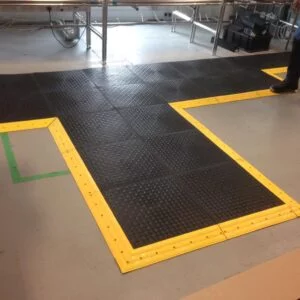
Optimal workspace protection
Shop floors in sensitive settings demand more than looks. esd floor tiles deliver a reliable shield that deflects static from tools and bodies, ensuring delicate electronics stay free from charge build up. The best layouts mix tile types that suit foot traffic and clean rooms, offering quick maintenance paths and minimal esd floor tiles downtime for recalibration. When selecting options, consider edge profiles and die cut seams that sit flush against walls, reducing trip hazards while keeping the anti static layer intact. This practical approach protects both personnel and devices in busy labs and clean rooms alike.
Durability meets practical use
In labs where daily sprawl of carts, stools, and heavy gear happens, must resist impacts and abrasion. Durable composites resist scuffs from chair legs and wheels, while still maintaining a stable, low-resistance surface. A good system traps spills and anti static bags eases removal, which matters in environments with routine floor cleaning. Select tiles with a reliable backing that resists edge curls and potholes, so the floor keeps its electrostatic performance even after months of heavy use.
Ease of installation matters
People value quick, clean installs in spaces that shift with projects. esd floor tiles offer modularity that makes retrofits feasible without a full rebuild. Snap or click systems cut downtime and reduce the need for skilled trades. When planning, map routes for cables and service conduits, letting joints align with footpaths to minimise trip risk. A thoughtful install translates to fewer interruptions and consistent anti static results across work zones.
Inventory aids and practical steps
Storage habits influence performance as much as the tiles themselves. Keep modules neatly stowed when not in use to prevent dust pockets and debris from gumming up seams where electrostatic properties could degrade. Pair floor tiles with a clean room protocol that includes regular wipe downs and static monitoring. For suppliers, look for options that ship with easy to read manuals and clear testing guidance for field technicians inspecting resistance levels on a quarterly basis. The right pairing matters for long term reliability.
Protection through complementary gear
Alongside esd floor tiles, the primary line of defence is a plan that covers everyday carry and packaging. Anti static bags suit this need well, protecting sensitive components from sudden charge surges during handling and transport. They work best when used for shipments, lab samples, and spare parts moved between stations. When staff switch rooms, bags help preserve static integrity so new work begins without surprises, keeping the workflow steady and devices safeguarded.
Conclusion
In real settings, durability, ease of fit, and robust static control come together to shape a dependable infrastructure. esd floor tiles create a backbone that supports precision work, while anti static bags extend that protection into packaging and transit. The right combination reduces downtime, lowers risk, and keeps teams focused on their core tasks. For reliable options and field ready guidance, kiwibusinessproducts.co.nz offers practical paths for institutions aiming to raise their floor standards without overhauling existing layouts. The goal is a calm, controlled working environment where static episodes vanish from the daily routine and teams can move with confidence.