

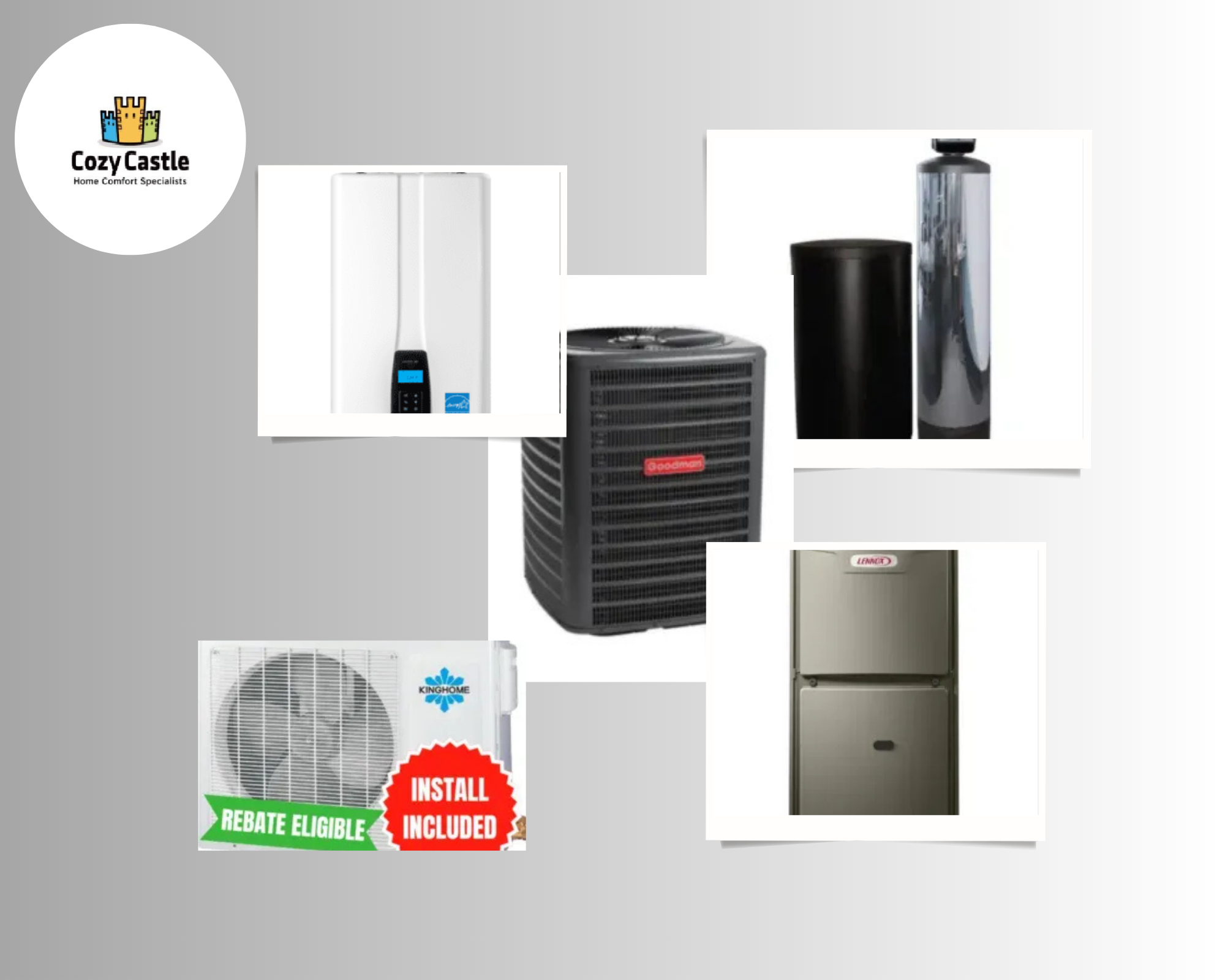
Understand your heating options
Choosing the right system for a cold Canadian climate means weighing efficiency, reliability, and cost. A modern heat pump can provide both heating in winter and cooling in summer, while many homes still rely on traditional furnaces. Start by evaluating insulation, ductwork, and existing electrical capacity. An energy heat pump installation toronto audit helps identify gaps that affect comfort and bills. It’s also practical to compare seasonal performance and manufacturer warranties. Good planning reduces disruption and ensures you’ll enjoy steady warmth without excessive running costs, especially during peak winter periods in Toronto neighborhoods.
Choosing a trusted installer in the area
Finding a reputable contractor is essential for long term comfort. Look for installers who are licensed, insured, and have positive customer reviews. A thorough assessment visit should include system sizing, ventilation checks, and a clear estimate with timelines. Request examples of past Furnace Service Repair company in Toronto projects similar to your home and ask about grid compatibility, maintenance commitments, and post installation support. A reliable team will walk you through permits and any municipal requirements that may apply to your project in Toronto.
Key considerations for heat pump performance
When planning heat pump installation toronto, consider climate zone specifics, outdoor unit placement, and noise levels near living spaces. Efficient models use inverter technology and high SEER/low HSPF ratings to maximise savings. Ducted systems require careful sealing and balancing to prevent heat losses, while ductless options offer flexibility in rooms with varied occupancy. Factor in backup heat sources for extreme cold snaps and plan for potential electrical upgrades to support newer equipment safely and reliably.
Maintenance and peace of mind
Regular service is essential to maintain comfort and energy efficiency. A Furnace Service Repair company in Toronto should offer routine inspections, filter replacements, refrigerant checks, and thermostat calibration. Scheduling annual tune ups helps catch issues before they become costly problems. Additionally, clarify the availability of emergency service, response times, and what parts are included in warranties. Proactive maintenance translates into fewer unexpected breakdowns and steadier indoor temperatures for your family.
Conclusion
Selecting the right heating solution involves balancing comfort, efficiency, and cost, with careful consideration of local climate needs and service options. A thoughtful approach to installation and ongoing maintenance yields reliable warmth throughout the year, and can significantly lower running costs over the system’s life. When consulting local professionals, you will find guidance that helps you navigate permits, insulation, and performance expectations. cozy castle