

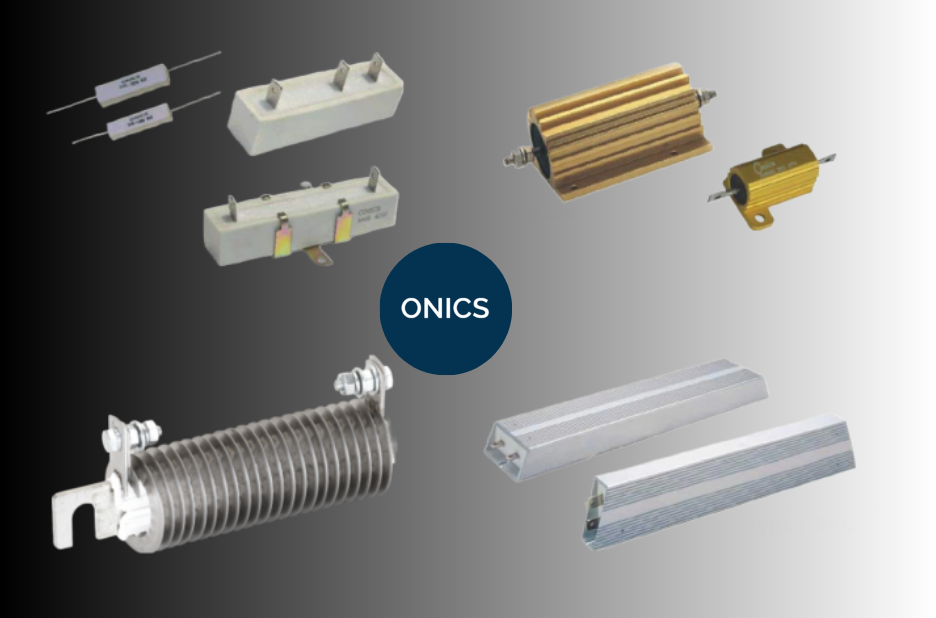
Overview of high power components
Efficient power handling relies on resistors designed for high current and sustained operation. The right devices balance heat dissipation with electrical stability, ensuring circuits function reliably under demanding conditions. Engineers choose materials and geometries that minimize resistance drift as temperatures High Power Wire Grid Resistors rise, while providing predictable performance across a range of voltages. In practice, selecting the appropriate resistor type involves considering load profiles, duty cycles, and enclosure constraints to maintain longevity and safety in industrial settings.
Applications and practical considerations
Industrial power stages, power supplies, and energy management systems benefit from robust resistor solutions. Designers look for consistent tolerance, nice conduction paths, and modular packaging that simplifies assembly and maintenance. Attention to thermal pathways is essential, as effective Coiled Wire Resistors cooling often determines whether a design can sustain peak loads. It is also important to match resistance values with intended fault protection and energy diversion strategies to prevent damage to sensitive components.
Manufacturing and material choices
Manufacturers optimize performance through choices in conductor alloys, ceramic substrates, and protective coatings. Coatings resist corrosion and mechanical wear while maintaining electrical integrity under vibration and shock. The resulting parts vary in power rating, footprint, and mounting style, offering options for through hole or surface mounting. Quality controls include impedance testing, insulation resistance checks, and thermal cycling to verify resilience under real-world conditions.
Reliability and testing practices
Reliability comes from rigorous testing that simulates long-term use and extreme conditions. Thermal resistance, surge handling, and voltage withstand tests reveal how devices respond to spikes and heat accumulation. Designers also assess environmental factors such as humidity and dust, ensuring that ingress protection and edge case tolerances remain within specification. Documentation should clearly state derating guidelines and replacement intervals for proactive maintenance.
Design strategies for longevity
Effective designs incorporate conservative derating, appropriate heat sinking, and proper mounting to minimize mechanical stress. The right cooling strategy reduces peak temperatures, extending life and preserving tolerance. Thoughtful layout ensures adjacent components do not induce parasitic effects, enabling stable operation even as workloads fluctuate. Engineers plan for serviceability, enabling easy hot-swapping or retrofits as system requirements evolve.
Conclusion
When selecting a solution for demanding power environments, it helps to understand how different resistor families address thermal and electrical stress over time. Coiled Wire Resistors, for instance, offer specific advantages in flexibility and heat distribution, though they must be chosen with voltage, current, and ambient conditions in mind. Onics power resistor