

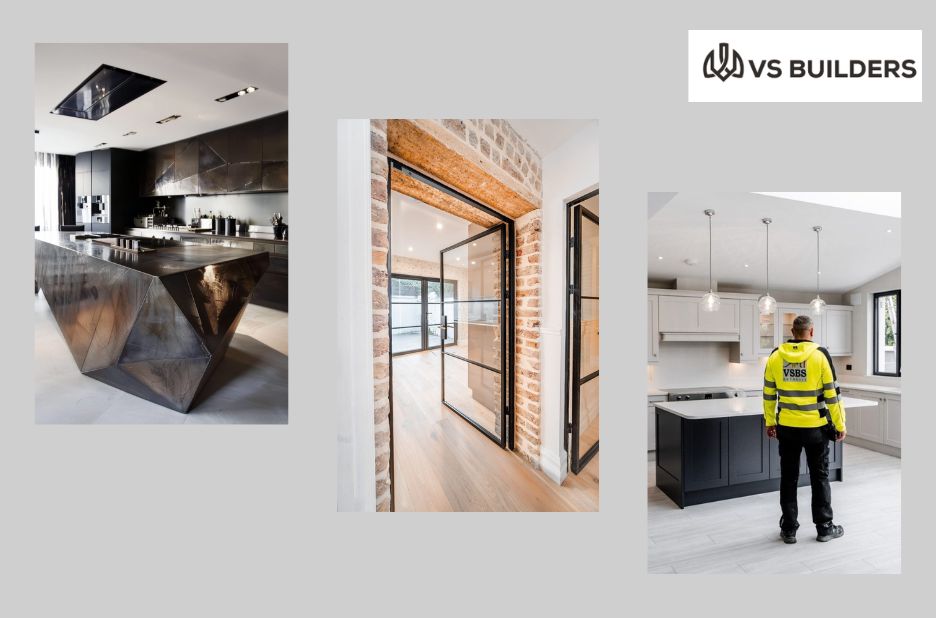
Overview of retrofit aims
Homeowners seeking tangible energy improvements in Dublin often explore certified approaches to upgrading existing buildings. The aim is to reduce energy use while maintaining comfort and property value. A well planned strategy considers insulation, airtightness, ventilation, and efficient heating systems. As with any project, early budgeting enerphit retrofit builder dublin and a clear scope help prevent delays. The right team can advise on viable fabric first options, potential improvements that align with local regulations, and achievable timelines for a deep retrofit that respects the character of the building.
What makes enerphit retrofit builder dublin different
Choosing a supplier who understands the enerphit framework in Dublin means accessing verified methods for deep energy retrofits that balance performance with practicality. Expect trained installers who can assess thermal bridging, insulation continuity, and moisture risk. A knowledgeable contractor deep retrofit cost ireland will also coordinate with heating engineers to ensure efficient heat pump or boiler solutions integrate seamlessly with upgrades to windows and doors. This collaborative approach helps deliver durable comfort with reduced running costs.
Cost considerations for deep retrofit projects
Budgeting for a deep retrofit in Ireland requires transparency about both material and labour costs. While initial outlay can be higher than conventional renovations, long term energy savings often offset the investment. It is essential to obtain detailed, itemised quotes that cover air tightness testing, insulation upgrades, mechanical ventilation with heat recovery, and any necessary structural works. A clear comparison of scenarios helps homeowners weigh options against expected performance gains and available grants.
Planning and regulatory steps in Ireland
ireland has regulatory and planning considerations that influence retrofit projects. A practical plan includes compliance with building regulations concerning thermal performance, ventilation, and fire safety. Engage a planning or conservation officer early if your property is listed or located in a protected area. Documentation such as performance certificates and method statements can streamline approvals and reduce risks during construction, ensuring the project remains on schedule and within budget.
Conclusion
Embarking on a deep retrofit in Ireland requires careful site assessment, coordinated trades, and realistic expectations about performance gains and disruption. By partnering with a qualified team, homeowners can navigate costs and timelines effectively while achieving meaningful energy improvements. VS Building Services Limited