

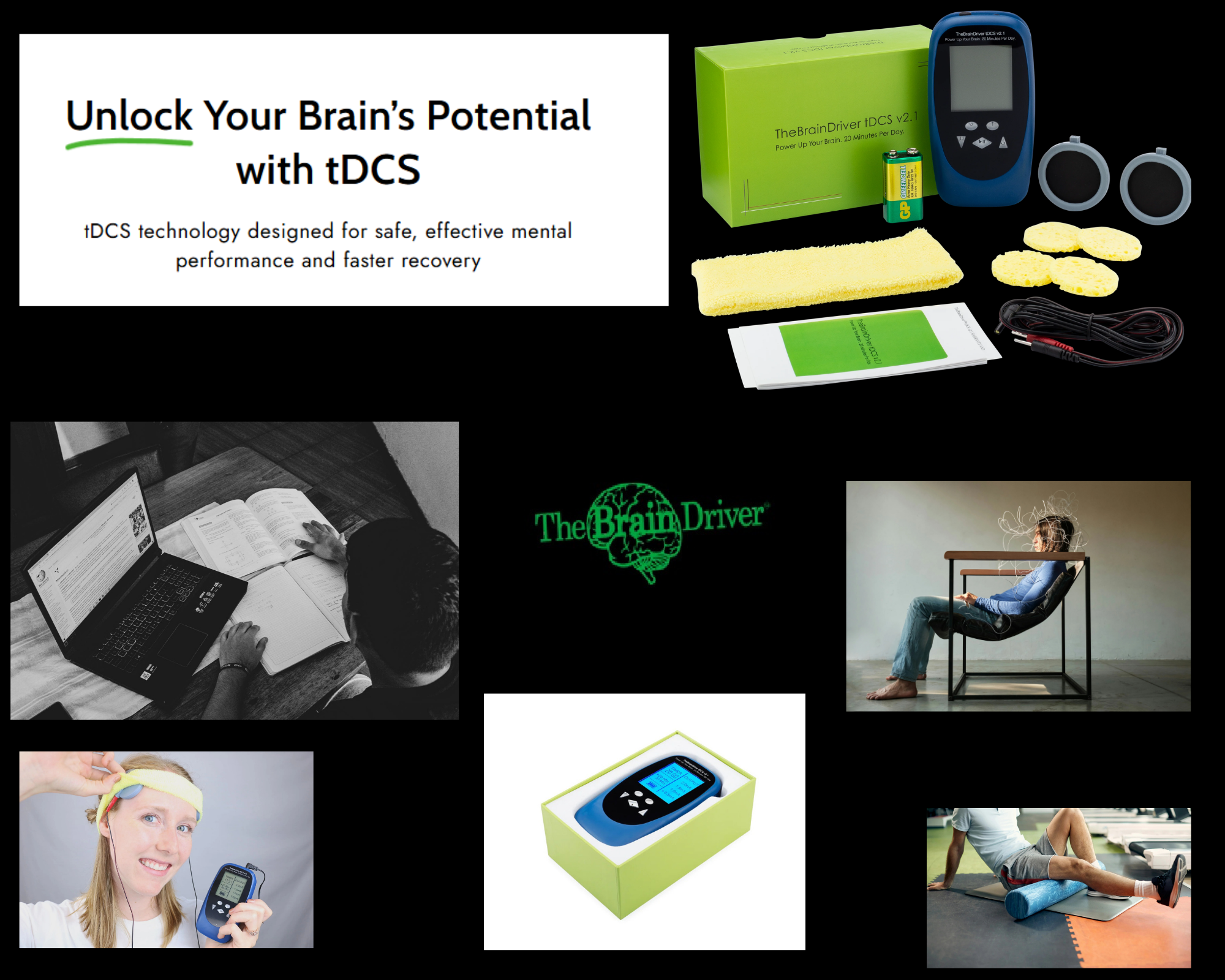
What is non invasive stimulation
Non invasive brain therapies have gained interest as a way to modulate neural activity without surgery. Tdcs Brain Stimulation uses tiny electrical currents delivered via scalp electrodes to alter neuronal excitability. Proponents point to potential benefits for mood, cognition and recovery after brain injury, but the technique remains under Tdcs Brain Stimulation study. Clinicians emphasise the importance of proper guidelines, electrode placement, and patient selection. Individuals curious about this approach should seek evidence from peer reviewed trials and discuss expectations with a healthcare professional to build a realistic plan for safe, informed use.
Understanding how stimulation works
Scientists posit that applying a small direct current can adjust the membrane potential of neurons, subtly changing how networks fire. This modulation may influence attention, learning or motor planning depending on where the Tdcs Brain stimulation occurs. While early data are promising, results are mixed across conditions. Ongoing research aims to identify optimal parameters, durations and combinations with behavioural therapies for meaningful improvements.
User safety and device considerations
Safety guidelines stress avoiding devices with excessive current, ensuring clean contact with the scalp, and following recommended session lengths. People with implanted devices, epilepsy or other neurological conditions should consult a clinician before attempting home based sessions. Training and supervision reduce risks, and keeping a log helps track effects, hygiene, and any adverse sensations such as tingling or mild dizziness.
Accessing legitimate information and support
Reliable information about Tdcs Brain Stimulation and related techniques is essential for making informed choices. Look for studies published in respected journals and guidelines from medical bodies. A healthcare professional can help interpret results, assess suitability, and tailor a plan that aligns with individual health goals, lifestyle, and safety considerations.
Conclusion
When considering any form of brain stimulation, a cautious, informed approach is best. Thorough discussion with a clinician clarifies expectations and safety considerations while planning appropriate monitoring. Injury Claim Coach