

Why choose charter services
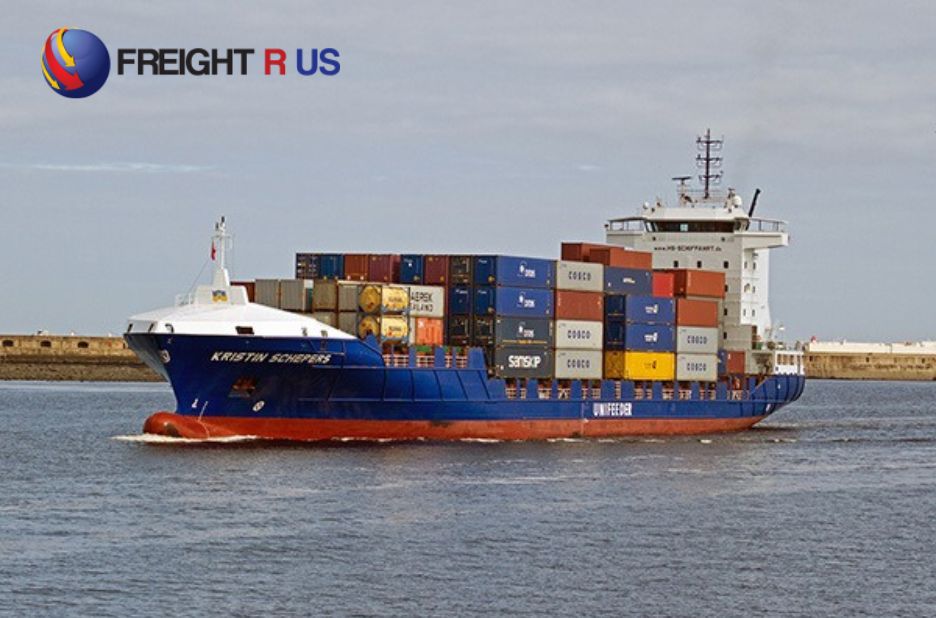
When businesses require reliable logistics, charter services offer a flexible alternative to traditional freight options. By selecting a tailored cargo solution, companies can control schedules, routes, and handling procedures, ensuring sensitive goods travel with appropriate care. The performance of a charter operation often hinges on plane or cargo charters Miami vessel availability, crew expertise, and the ability to scale capacity in response to demand. This direct approach can reduce transfer times and minimise layovers, creating a steady flow of cargo from origin to destination with fewer delays and disruptions.
Assessing options for cargo charters Miami
In the Miami area, freight managers evaluate carriers that specialise in time‑sensitive consignments, hazardous materials, or oversized loads. The decision process usually includes insurance coverage, security protocols, and contingency plans for weather or port restrictions. Strong carriers provide transparent pricing, clear milestones, and proactive communication so clients can track their consignments at every stage. By comparing service levels, firms can select a partner whose strengths align with their operational needs.
How to prepare for a charter project
Preparation begins with a precise bill of lading and a thorough risk assessment. Shippers should confirm weight, dimensional limits, and packaging requirements to avoid last‑minute adjustments. Matching equipment to the cargo type is essential, whether that means reefer capacity for temperature‑controlled goods or specialised handling for delicate items. Clear documentation, aligned timelines, and a shared escalation path help the team respond quickly if complications arise during transit.
Operational considerations in Miami logistics
Regional logistics teams focus on port and airport coordination, customs clearance, and local regulatory compliance. Effective charters benefit from strong gateways with streamlined processes, allowing for rapid handoffs between loading bays and transport legs. Maintaining accurate cargo visibility through tracking systems reduces uncertainty and supports proactive problem solving. In a competitive market, reliability, safety, and compliance often determine long‑term partnerships above low initial costs.
Conclusion
For organisations balancing speed, control, and cost, selecting the right option for cargo needs can transform supply chains, especially in dynamic markets like South Florida. Careful planning, validated carriers, and responsive communication are the pillars of success. Practical logistics strategies prioritise on‑time delivery, transparent pricing, and risk mitigation, all while maintaining compliance. FRieght R US