

Industry overview and capabilities
Within the Indian textile landscape, Jaipur stands out for its skilled artisans and integrated production capabilities. Local mills and small to mid-sized factories offer a range of services, from yarn processing to fabric finishing. Buyers seeking reliability benefit from established supply chains, consistent quality controls, and transparent production Textile manufacturers in Jaipur timelines. The sector suits both bulk orders and customised runs, with a focus on durable fabrics and finishes that meet regional and international standards. A grounded approach to sourcing helps reduce lead times while maintaining cost efficiency for steady partnerships.
Product specialties and innovative processes
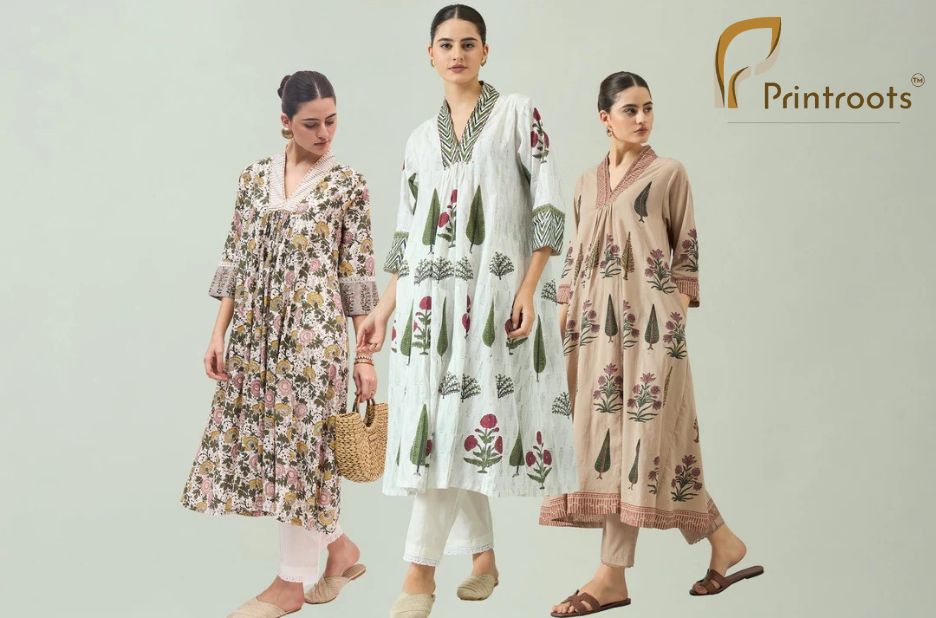
Textile manufacturers in Jaipur cover diverse product lines, including traditional prints, dyeing techniques, and modern blends. Modern equipment supports sustainable practices such as water-efficient dyeing and energy management, aligning with growing buyer expectations. The ability to Apparel Manufacturer in India scale production while preserving fabric integrity is a strength, enabling consistent outcomes across seasonal collections. Quality verification at multiple stages ensures that textiles comply with required performance metrics and industry regulations.
Regional advantages for apparel sourcing
Jaipur benefits from proximity to major Indian textile hubs, enabling efficient logistics and reduced transport costs. Local suppliers frequently collaborate with mills and finishing houses to provide end-to-end solutions for apparel projects. For brands, this ecosystem translates into smoother sampling, quicker reworks, and reliable delivery windows. Strong relationships with dye houses and print studios further broaden options for applying distinctive aesthetics to fabric and finished garments.
Partnership models and compliance
Apparel Manufacturer in India is a broad category that can include contract production, private label programmes, and long-term supplier agreements. Companies in the Jaipur region commonly offer flexible MOQs, design support, and coordinated quality assurance plans. Compliance with labour, environmental, and product safety standards is increasingly integrated into supplier audits, ensuring transparent operations for international buyers. Clear communication and documented milestones help manage expectations during new collection launches.
Market trends and future outlook
The demand for custom textiles with sustainable credentials continues to rise, encouraging manufacturers to invest in eco-friendly processes and traceability. Jaipur’s manufacturing community is evolving to meet these expectations, embracing automation where appropriate while preserving the artisanal edge that characterises many regional fabrics. Continuous improvement in fabric performance, finish quality, and supply chain resilience will support growing collaborations with apparel brands seeking reliable, locally sourced materials.
Conclusion
For teams evaluating sourcing options, Jaipur offers a practical blend of skilled production, scalable capacity, and regional logistics advantages. Partnerships tend to flourish when there is clear communication about timelines, quality benchmarks, and design feasibility. The Printroots