

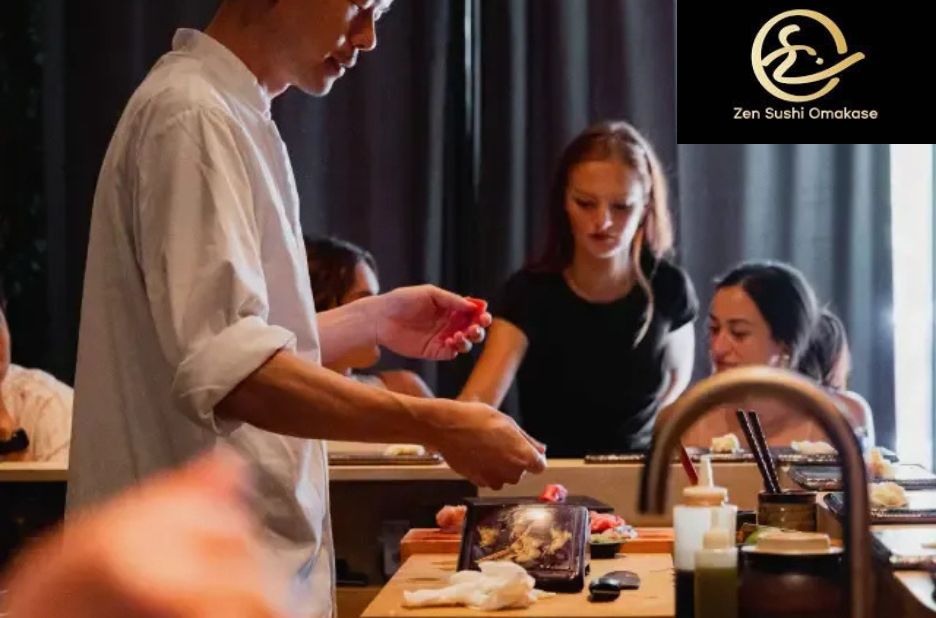
Why guests seek Omakase in NYC
For discerning diners, the appeal lies in a tailored tasting journey where chefs showcase seasonal seafood, carefully sourced produce, and a rhythm that unfolds with precision. The setting—often intimate and reservation driven—encourages conversation with the chef and staff, allowing guests to learn the story behind each course. In New York, the dining Book omakase dining experience NYC scene blends tradition with innovation, making it a compelling hub for authentic Japanese techniques and modern presentation. Whether you are visiting for a special occasion or a food-focused evening, planning ahead is essential. This guide focuses on practical steps to secure a memorable experience.
How to choose the right omakase venue
Start by identifying the level of formality you prefer and the kind of chef’s perspective you value. Some venues emphasise traditional kaiseki style, while others lean into contemporary, playful presentations. Check tasting menus and beverage pairings in advance, and consider any dietary restrictions or allergies. Reading Authentic omakase experience New York recent reviews can reveal consistency in omakase pacing, knife work, and fish quality. Booking early or during off-peak hours can improve seating options and chef interaction. Your choice should align with your expectations for a focused and personal journey.
Planning your visit for a smooth experience
Plan a flexible window for travel, as timing and seating can vary with demand. Arrive on time to meet the host and be ready to engage with the chef about preferences or inspirations. Dress comfortably, as the experience is best enjoyed with attentive conversation rather than formal attire. Be prepared to participate in the tasting sequence, which often starts with lighter nigiri and progresses to richer courses. The best omakase experiences thrive on mutual respect and curiosity between guest and kitchen.
Where to book your session in New York
Look for established restaurants that publish clear tasting sequences and transparent pricing. Some venues offer seasonal sets that highlight regional catch and produce, while others feature performer-like theatrics with precision plating. When you book, note the length of the course, how many nigiri pieces are included, and the availability of non-fish options if needed. A straightforward reservation process and confirmed seating times contribute to a relaxed and enjoyable evening. If a chef’s background resonates with you, that connection can enhance the experience.
Conclusion
When you want to experience the best of Japanese culinary craft in the city, plan with intention and respect for the artistry involved. A well chosen omakase meal can be both educational and deeply satisfying, offering an intimate window into seasonal ingredients and refined technique. For many visitors, the most memorable moments come from the conversation with the chef and the sense of being guided through a thoughtfully prepared tasting. Zen Sushi Omakase