

Choosing the right material
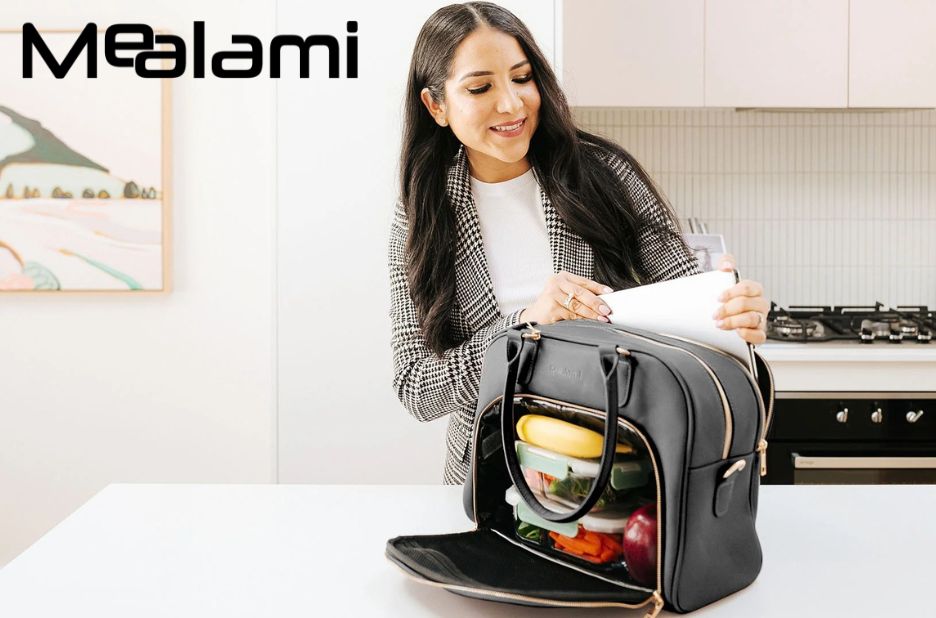
Selecting the best food prep containers starts with material. Options like glass, BPA free plastics, and silicone lids each offer different benefits for durability, stackability, and ease of cleaning. Glass is excellent for reheating and visibility, while BPA free plastics are food prep containers lighter for on the go. Silicone seals tight, reducing leaks when transporting meals. Consider the types of foods you typically store and how you use them to balance weight, durability, and cost over time.
Size ranges and stackability
Most households benefit from a mix of sizes, from compact 1 cup options for single portions to larger 4 cup or 6 cup containers for bulk meals. Stackable designs save cupboard space and make freezer organisation straightforward. Look for uniform lids and base shapes so they nest neatly and minimise wasted space in drawers and shelves.
Storage tips for freshness
To keep meals tasting fresh, use airtight lids, leave a small air gap when freezing liquid-rich dishes, and label containers with dates. Clear walls help you see what’s inside at a glance, while tempered glass resists stains from sauces and curry. Avoid storing hot foods directly in the fridge; let them cool briefly to protect textures and avoid condensation on lids.
Maintenance and care
Proper care extends the life of your food prep containers. Hand washing or top rack dishwasher safe options reduce wear, while avoiding harsh scouring pads keeps seals intact. Check for cracks or discolouration periodically and replace damaged pieces to prevent leaks and contamination. Replace lids that no longer seal properly to maintain freshness.
Conclusion
By selecting thoughtfully and maintaining your containers, you’ll streamline meal prep and reduce waste, making weeknights less stressful. For a calm, organised approach to food storage, keep a small, reliable set that suits your routine and budget. Visit MEALAMI for more ideas and practical tips on storage solutions that fit real life.