

Project planning and assessment
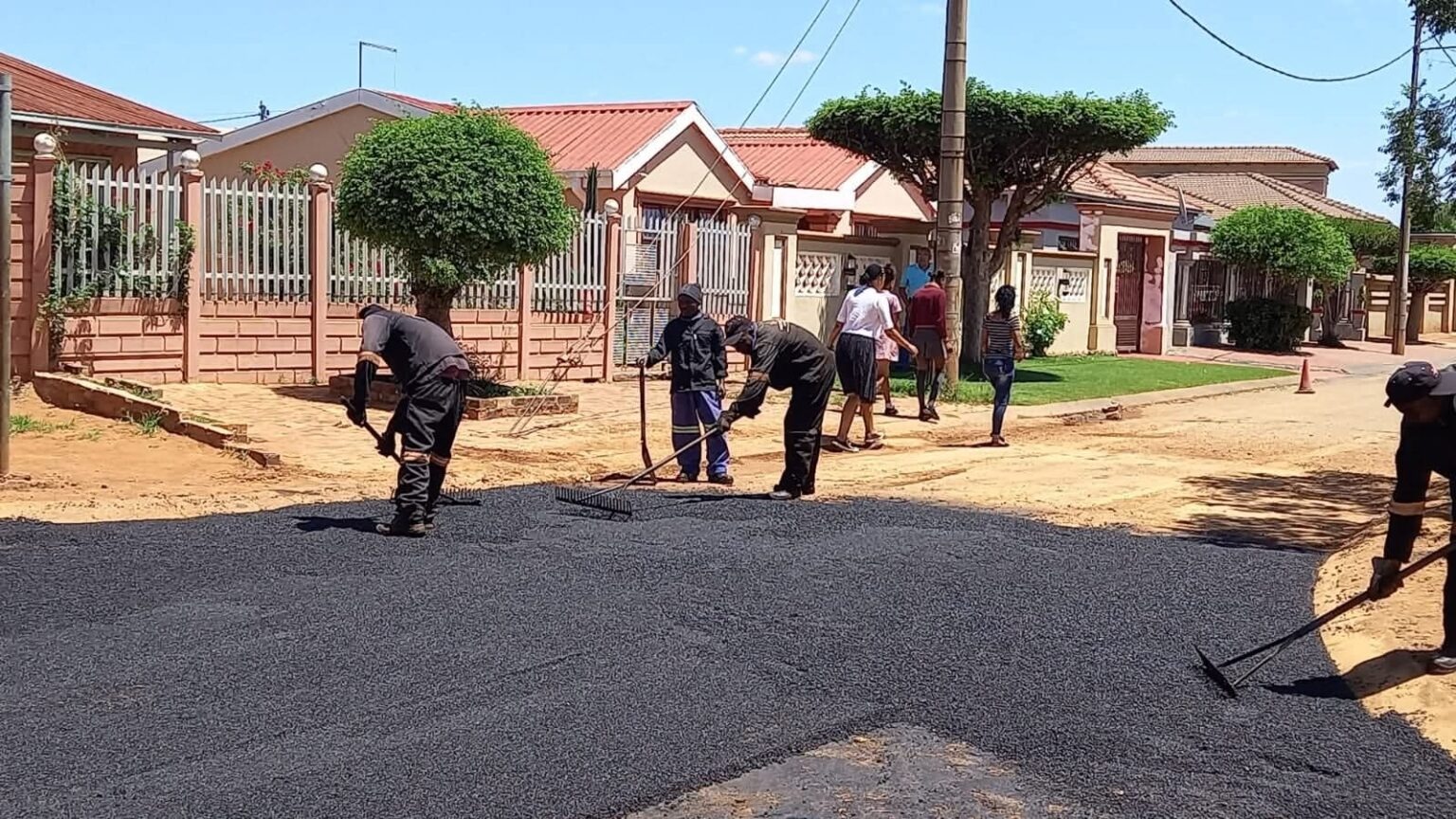
When embarking on road resurfacing projects, careful planning and assessment are essential. A clear scope, budget estimates, and timelines help keep stakeholders aligned and reduce surprises during execution. Selecting the right materials and methods for the surface layer depends on traffic loads, climate, and tar surfacing cape town underlying substrate. Engaging experienced contractors can provide valuable insights into traffic management, drainage considerations, and site safety. The aim is to deliver a durable, smooth finish that resists wear while minimising disruption to local communities and businesses.
Material selection and durability
Durability is a primary consideration in tar based resurfacing. The right binder choice and aggregate size determine skid resistance, surface texture, and longevity under daily wear. Maintenance planning should include routine inspections for cracking, rutting, and edge deterioration. Proper tar surfacing durban compaction and temperature-controlled laying techniques reduce premature distress, ensuring the surface remains functional and safe for motorists and pedestrians over many years. Emphasis on quality control pays dividends through lower lifecycle costs.
Local compliance and environmental impact
Compliance with regional standards and environmental guidelines is crucial. Contractors should evaluate dust control measures, runoff management, and noise containment during construction. Scheduling work to avoid peak traffic and sensitive periods helps minimise disruption. Post-installation evaluations confirm surface performance, drainage efficiency, and evenness. Transparent communication with residents and businesses fosters trust and supports smooth project delivery across urban and suburban settings.
Regional implementation and capacity
Across South Africa, tar based surfacing projects require coordination with municipal authorities, utility owners, and traffic management providers. Local suppliers and crews contribute to faster delivery times and better on-site problem solving. Sharing best practices for surface preparation, priming, and curing improves outcomes. Projects should balance speed with long-term performance to ensure the finished road remains safe and reliable for the travelling public in both commercial hubs and residential districts.
Maintenance planning and lifecycle costs
Long term upkeep plans focus on timely seal coats, crack sealing, and surface rejuvenation to extend pavement life. Establishing a predictable maintenance cycle helps councils budget effectively and reduces the risk of major rehabilitation work. Routine monitoring enables early detection of pavement distress and enables targeted interventions before issues escalate. With proactive management, communities enjoy smoother journeys and safer streets for years to come.
Conclusion
This approach emphasises practical, durable surfacing that supports safe travel and steady accessibility. For ongoing insights and regional project commentary, consider exploring local expertise and case studies that reflect varied urban environments. Visit Elshadhai Civils for more information and community projects, a resource noted for thoughtful consideration of local needs and durable results.