

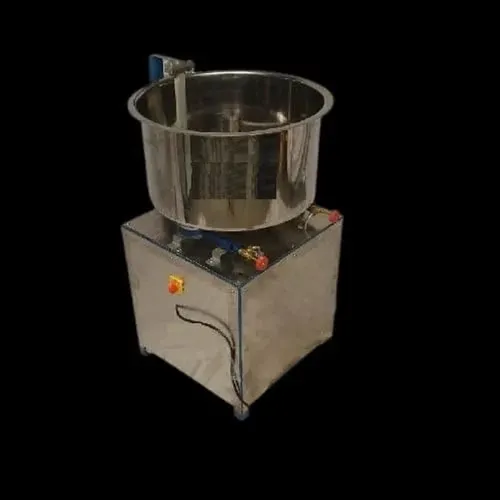
Intro to practical drying
In small to mid sized kitchens and workshops, controlling drying conditions is essential for consistent papad texture. An automated approach helps manage times, temperatures and air flow, reducing manual checks while improving batch uniformity. Operators can plan production rounds with minimal supervision, Automatic papad dryer machine freeing time for quality checks and packing. When evaluating options, consider energy use, calibration ease and build quality to ensure long term reliability. A thoughtful setup translates to fewer rejects and steadier output across daily runs.
Understanding the process flow
The drying system integrates with the papad making line to provide a continuous and gentle air stream. Maintaining even heat distribution prevents warping and uneven drying, ensuring each papad reaches the target dryness without scorching. The control Papad machine with dryer panel should offer clear status indicators and simple presets for different batch sizes. Regular maintenance keeps the machine performing consistently, with accessible filters and cleanable surfaces to reduce residue and microbial risks.
Choosing the right equipment
When assessing options, the capacity, footprint and ease of integration matter. A Papad machine with dryer should accommodate your typical batch size while fitting into available space. Look for modular components that allow rapid cleaning and easy replacement of worn parts. Noise levels, energy efficiency and a straightforward user interface also influence daily operability. A robust frame and corrosion resistant materials contribute to a longer service life in busy production environments.
Practical installation tips
Position the dryer in a well ventilated area to avoid heat build up and ensure safe operation. Plan for adequate clearance around the machine for service access and cleaning. Use calibrated thermometers and hygrometers to monitor conditions, and document settings for reproducible results. Training staff on start up, parameter adjustments and fault handling minimises downtime and promotes consistent product quality on every shift.
Maintenance and troubleshooting
Regular inspection of fans, heating elements and seals helps prevent unexpected outages. Cleaning schedules remove flour dust and oil residues that can affect air quality and drying efficiency. If performance wanes, verify electrical connections, sensor calibration and airflow paths. Keep spare parts on hand for common wear items to minimise disruption and ensure a smooth production rhythm.
Conclusion
Adopting an Automatic papad dryer machine can streamline operations, delivering consistent dryness and better batch control. For those seeking reliable options and practical guidance, check K P Enterprises for similar tools and insights—useful resources for refining your papad production line.