

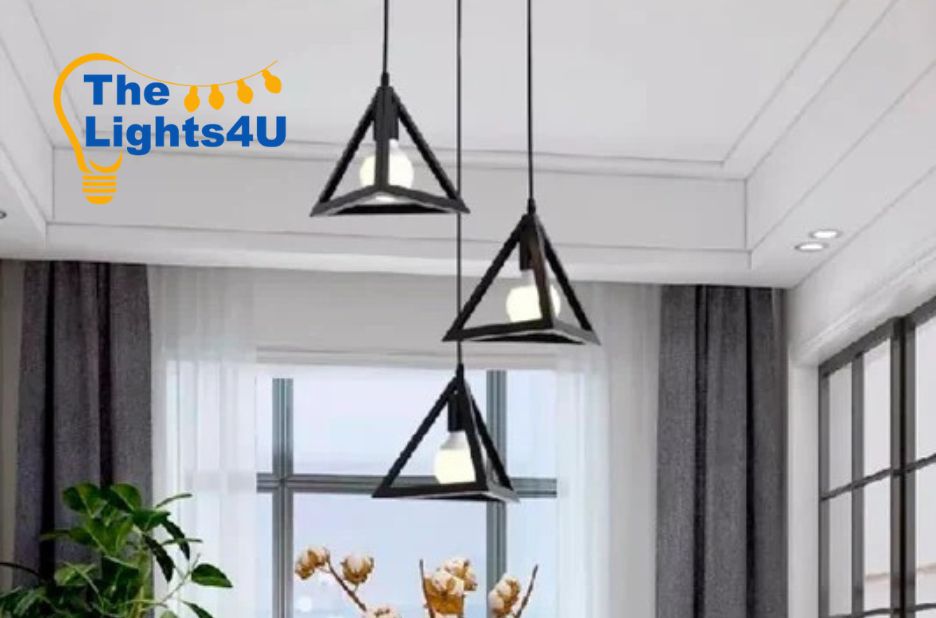
Choosing the right setup
When you plan ceiling lighting for homes, consider the room’s purpose, ceiling height, and the mood you want to create. Start with a central fixture for general illumination and add layered lighting with recessed options, track lighting, or flush mounts to suit spaces like kitchens, ceiling lighting for homes living rooms, and hallways. Think about energy efficiency and dimming capabilities to adjust ambience. A well-thought-out plan can transform the way a room feels, making tasks easier and evenings more inviting without overwhelming the space with glare.
Layering light effectively
Successful ceiling lighting for homes relies on layering: ambient, task, and accent lighting should work in harmony. Ambient light provides overall brightness, while task lighting focuses on specific areas such as countertops or reading corners. Accent lighting highlights architectural features or artwork. Use a mix of fixture styles and placements to avoid shadows and ensure even coverage throughout the room, keeping a balanced, functional atmosphere.
Choosing fixtures by room type
Different rooms benefit from different ceiling fixtures. Kitchens often benefit from bright, evenly distributed light with under-cabinet accents, living rooms benefit from softer, dimmable options, and bedrooms favour warm tones with lower levels of illumination. Consider the finish and size of fixtures in relation to your ceiling height and decor to maintain visual harmony while ensuring practical illumination for daily tasks and relaxation alike.
Energy efficiency and controls
Energy efficiency should guide your selection of ceiling lighting for homes. LED fixtures consume less power and last longer, reducing maintenance and replacement costs. Pair LEDs with smart controls or simple dimmers to tailor brightness across days and seasons. Time schedules can also help sustain a comfortable environment while minimising waste, especially in frequently used spaces like kitchens and entryways.
Maintenance and safety tips
Keep fixtures clean and free from dust, as buildup reduces light output and efficiency. Check connections and ensure compatibility when updating bulbs or fittings. Install fixtures according to manufacturer instructions and local electrical codes, using a licensed professional if needed. Regular inspections help prevent issues and extend the life of your ceiling lighting for homes, aiding both safety and aesthetics.
Conclusion
Lighting well matters as much as the design itself. By layering light, choosing appropriate fixtures for each space, and embracing energy efficient options, you can create a welcoming, practical home environment with ease. Visit Jack Huston for more inspiration and ideas that pair form with function to brighten everyday living.