

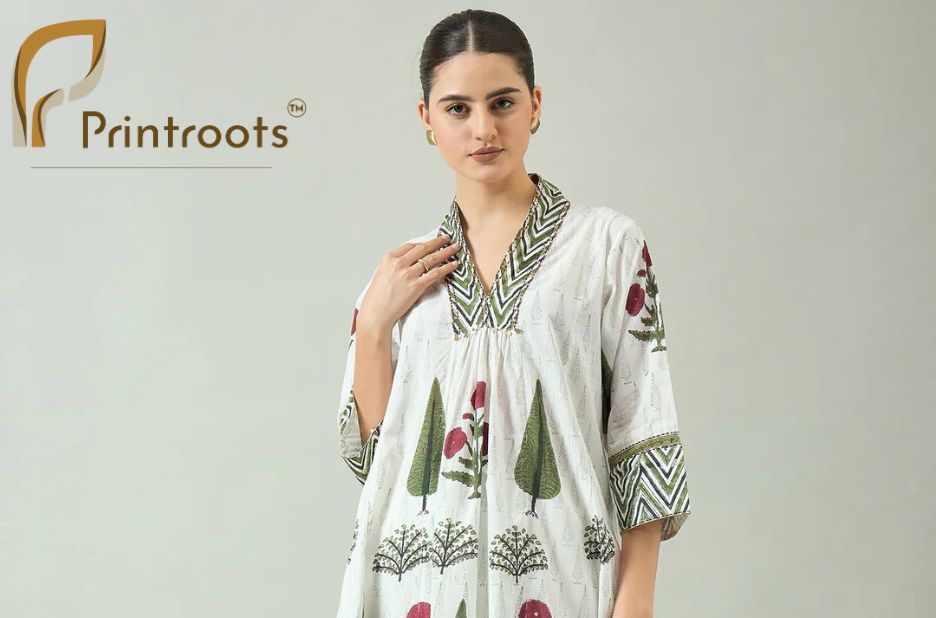
Overview of the industry landscape
The textile sector in Jaipur blends traditional crafts with modern manufacturing techniques to meet diverse market needs. Local mills and workshops operate across yarn spinning, weaving, printing, and finishing stages, often emphasising sustainable practices and fair labour standards. Buyers seeking reliable partners will benefit from evaluating production capabilities, equipment modernisation, and Textile manufacturers in Jaipur quality control processes. While smaller studios may specialise in niche fabrics, larger facilities can accommodate bulk orders with shorter lead times. Understanding the supply chain, from fibre sourcing to final packaging, helps in selecting the right partner for specific project requirements and budgets.
Capabilities and production capacity
Textile manufacturers in Jaipur typically offer a range of services, including weaving, dyeing, and printing, supported by in‑house quality assurance teams. Manufacturers may produce cotton and synthetic blends suitable for apparel, home textiles, and industrial textiles. Efficient facilities combine automated machinery with skilled hand finishing to achieve consistent product quality. It is important to assess minimum order quantities, bulk pricing, and turnaround times, especially when coordinating complex projects that demand multi‑step processing or customised finishes.
Quality controls and compliance
Strong quality protocols help ensure fabrics meet international standards. Reputable producers implement inspection at multiple stages, from raw material receipt to final roll testing, with clear documentation for traceability. Compliance with environmental and labour regulations is increasingly important to buyers requiring responsible sourcing. Request details on certification schemes, testing methods, and corrective action plans to gauge a supplier’s commitment to reliability and continuous improvement.
Choosing a partner in the region
When selecting a manufacturer in this area, consider factors such as facility size, technology adoption, and supply chain reliability. Visiting showrooms or arranging factory tours can provide a tangible sense of capacity, cleanliness, and workflow integration. Request samples to evaluate fabric hand feel, drape, and colourfastness before placing larger orders. Establish clear communication channels, defined lead times, and transparent pricing to build a trustworthy collaboration that scales with your needs. The right partner will align with your technical specifications and production calendar.
Conclusion
In summary, Jaipur hosts a diverse network of textile facilities capable of handling varied fabric production needs with attention to quality and sustainability. Prospective buyers should begin with a clear brief, verify certifications, and request samples to assess suitability. Visit The Printroots for more insights and resources on sourcing and supplier comparisons, helping you navigate options with confidence.