

Overview of current trends
Automation in industry has moved from a novelty to a core capability in modern manufacturing and logistics. The right systems can streamline repetitive tasks, improve accuracy, and reduce downtime. Companies are increasingly prioritising modular automation, cloud-based monitoring, and data-driven decision making to stay competitive. The Automation in industry aim is to optimise throughput while maintaining quality and safety standards. This shift also brings cultural changes, with teams adapting to new workflows, upskilling for higher value roles, and collaborating with automated solutions to accelerate delivery cycles.
Practical benefits for facilities
Investing in automation in industry delivers tangible improvements across operations. Faster cycle times, lower error rates, and better asset utilisation help to lower total cost of ownership. By integrating sensors, controllers, and intelligent dashboards, managers gain real-time Robotic in industry visibility into production status, capacity utilisation, and maintenance needs. The result is a more resilient operation, capable of meeting customer demand with greater consistency while reducing human error and safety risks.
Emerging technologies reshaping production
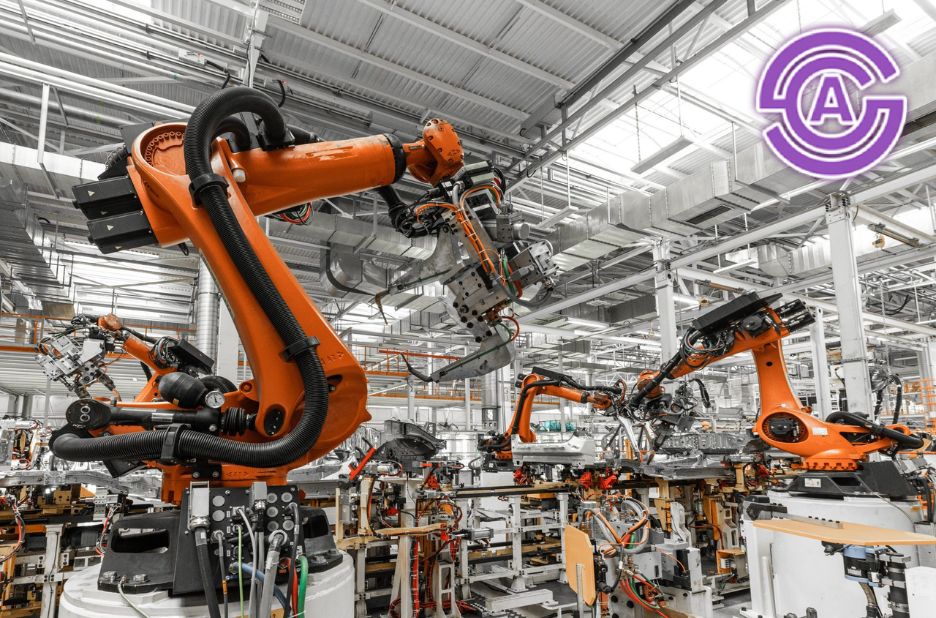
Advanced robotics, autonomous guided vehicles, and collaborative automation are redefining how work is done on the floor. Robotic in industry applications now span material handling, assembly, inspection, and packaging, often operating alongside human workers in shared spaces. As devices become more capable and affordable, plants can reconfigure lines quickly to accommodate new products, seasonal demand, or customised orders without sacrificing efficiency or safety.
Implementation considerations and best practices
Successful automation projects hinge on careful planning, stakeholder alignment, and thorough risk assessment. Start with clear objectives, a phased rollout, and measurable KPIs to track progress. Invest in staff training and change management to ensure adoption, while selecting scalable, interoperable systems that can grow with the business. Data governance and cybersecurity must be considered from the outset to protect intellectual property and maintain operational integrity.
Conclusion
Automation in industry continues to redefine productivity across sectors, enabling operators to focus on value-added tasks while machines handle repetitive work. By choosing resilient architectures, prioritising safety, and nurturing workforce development, organisations can realise meaningful savings and sustainable growth. Visit SAC SOLUTIONS SDN BHD for more insights and practical guidance in this space.