

Overview of modern security systems
Businesses across expansive Texas campuses rely on robust security to protect people and assets. A well designed security strategy blends reliable monitoring with flexible infrastructure, ensuring cameras and sensors operate smoothly under varying conditions. By prioritising scalable solutions, organisations can remote video surveillance solutions Houston grow their surveillance capabilities without disruptive overhauls. This section explains how integration of video streams, access control data, and environmental sensing contributes to a coherent security posture that is easy to manage and maintain.
Key benefits of remote monitoring approaches
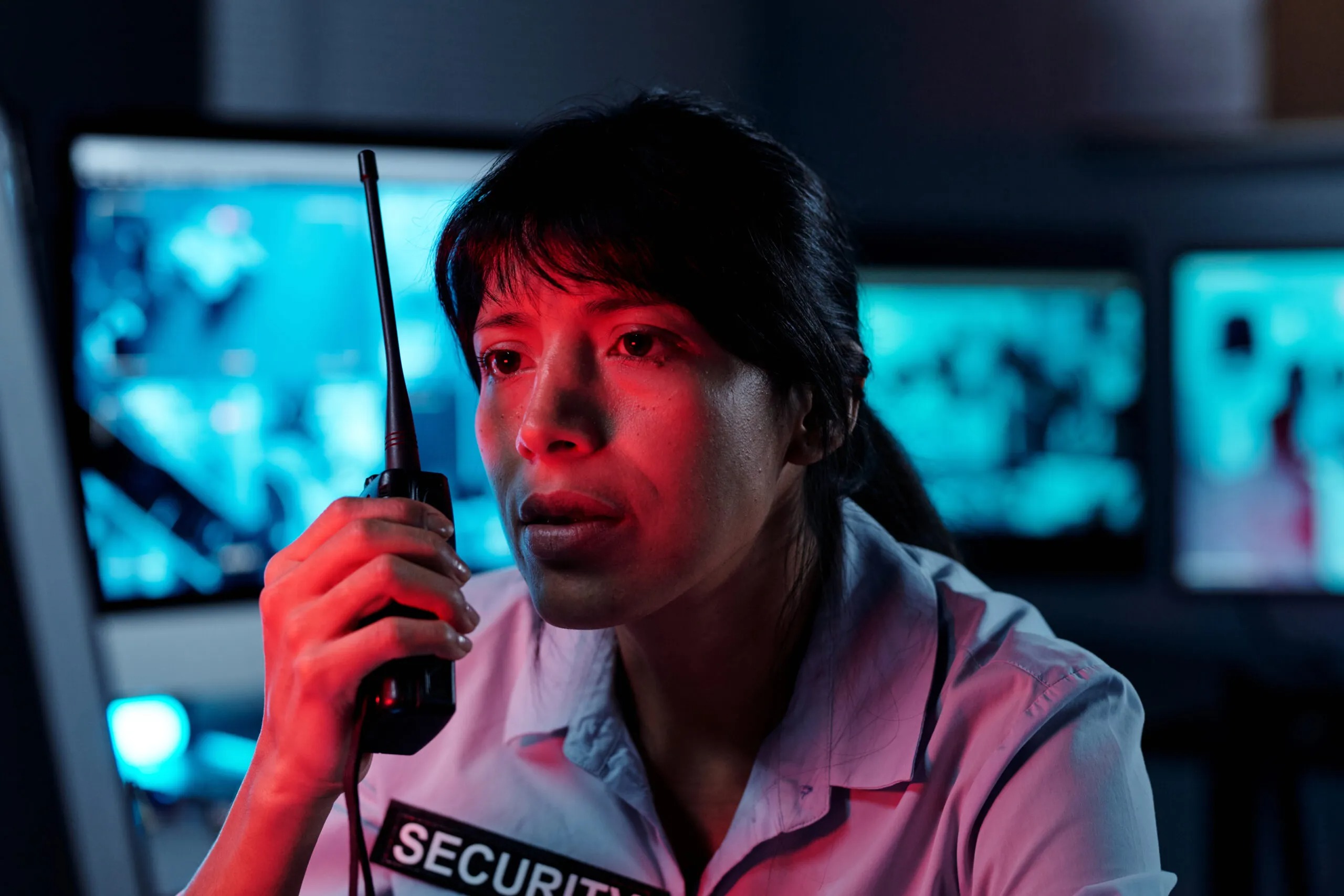
Remote video surveillance solutions Houston are expanding the reach of security teams, allowing operators to observe sites from central control rooms or mobile devices. The technology reduces response times, supports proactive incident handling, and lowers on structured cabling solutions Texas site personnel requirements. When paired with centralised analytics and alerting, facilities gain clearer visibility into activity patterns, making it easier to identify anomalies and prioritise investigations without being on site 24/7.
Infrastructure that supports reliable video networks
A dependable network backbone is essential for any surveillance system. Central to this is structured cabling solutions Texas, which standardises connections, reduces interference, and simplifies future upgrades. Well planned cable pathways, correct termin technologies, and disciplined documentation minimise downtime and help technicians diagnose issues quickly, keeping video streams stable for review and evidence collection when it matters most.
Choosing compatible cameras and storage options
Selecting the right mix of cameras, encoders, and storage solutions determines the quality and accessibility of recorded footage. Factors such as resolution, frame rate, low light performance, and retention requirements should align with your organisation’s risk profile and compliance needs. Effective systems balance bandwidth use with local and cloud storage options to maintain fast access to footage while controlling operational costs.
Implementation considerations for Texas sites
Deployment planning should account for local conditions, from climate impact to electrical reliability. A phased rollout helps organisations test performance in real world conditions and adjust configurations before full scale adoption. Training for security staff on monitoring software and maintenance routines ensures ongoing effectiveness and reduces the risk of blind spots in surveillance coverage.
Conclusion
Reliable security outcomes come from thoughtful design, careful deployment, and ongoing management. For organisations seeking to balance remote monitoring capabilities with robust infrastructure, a focus on scalable practices and clear documentation pays dividends in resilience and efficiency. Beepvision LLC