

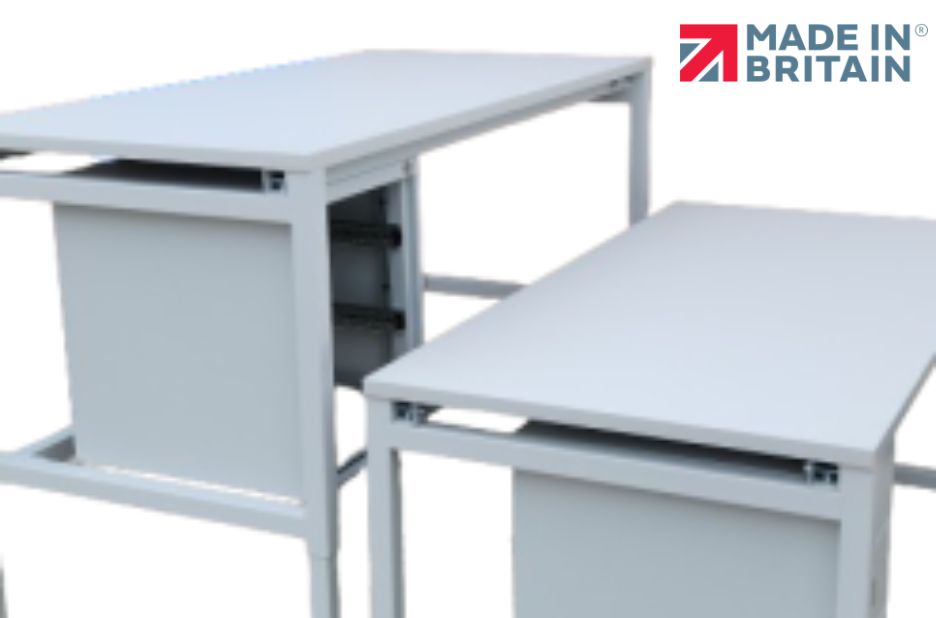
Practical workshop planning
Setting up a productive space begins with choosing sturdy surfaces that can withstand daily use. A good work area should offer ample tabletop area, stable legs, and resistance to common workshop hazards. Consider how you will arrange tools and materials to keep workflows smooth, and plan for future upgrades as your work benches projects evolve. The right setup reduces fatigue and speeds up tasks, making it easier to stay organised and focused throughout the day. Think about accessibility for for different heights and the types of tasks you regularly complete when selecting your base work surfaces.
Material and build quality considerations
Durability is essential when selecting work benches, particularly in busy environments. Look for solid frames, reinforced joints, and a load rating that matches the weight you typically handle. Surfaces matter just as much as structure; a resistant top that tolerates scratches, heat, and chemical exposure will extend the life of your equipment. If you expect to move or reconfigure your space, modular designs with easy assembly can offer flexibility without compromising stability across configurations.
Ergonomics and user comfort
Ergonomic design helps prevent strain during long sessions at the bench. Features to consider include adjustable height options, positionable shelving, and tool panels at reachable levels. A well set up station keeps frequently used items within arm’s reach, minimising unnecessary bending or twisting. Regular breaks and proper seating will further support comfort, particularly when projects span several hours or days.
Storage and workshop organisation
Effective storage around your work benches helps maintain a tidy and efficient workspace. Include drawers, pegboards, and bins that pair well with your selected surface. Clear labelling and defined zones for different materials can dramatically cut down search times and misplacement. A clean, organised bench area makes it easier to review progress, track supplies, and plan the next steps in a project.
Conclusion
When building a workstation, prioritise stability, practicality, and the ability to adapt as your needs change. A thoughtful setup improves safety and productivity while keeping maintenance straightforward. For pointers on compatible equipment and additional ideas, check Workshop Workbench for similar tools