

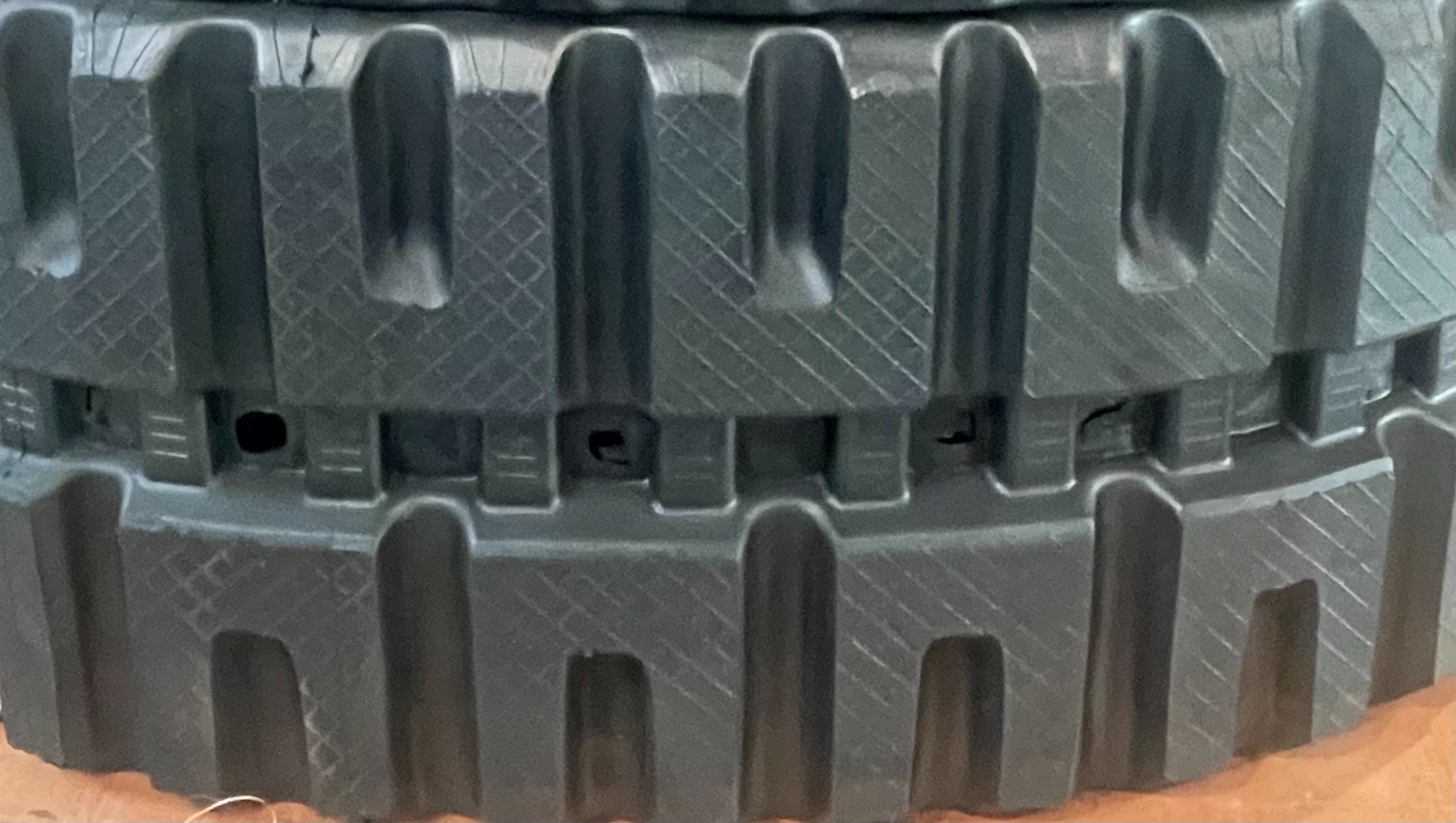
Overview and specs
For many farm stewards, choosing the right machine is about reliability and performance in tough conditions. The John Deere 450 tracks offers a balanced profile with stable weight distribution, reinforced undercarriage components, and a dependable hydraulic system. Operators should assess lift capacity, traction on john deere 450 tracks uneven ground, and fuel efficiency to determine suitability for daily chores or more demanding tasks. Regular checks on track tension, sprockets, and rollers are essential to prevent early wear and maintain smooth operation across varying field conditions.
Performance in the field
On sloping terrain, the traction provided by the tracks helps minimise slippage and maximises power transfer to implement work. The cab design prioritises visibility and controls, enabling precise operation with a range of implements including mowers and graders. Routine maintenance intervals for filters and fluids support consistent efficiency, while periodic track wear assessment ensures readiness for harvest periods and peak workloads. Operators should keep a close eye on engine cooling during extended passes across stubbly fields.
Maintenance and care
Proactive maintenance is the cornerstone of long-term value with any tracked machine. Keep a log of service events and parts replacements, especially around the undercarriage and hydraulics. Regular lubrication of pivot points, inspections of belts, and cleaning of air intakes help prevent performance dips. When components show signs of wear, source genuine parts to preserve compatibility and performance. Seasonal checks before planting seasons can reduce downtime and extend the machine’s lifespan.
Choosing the right configuration
Choosing the right configuration for a john deere 450 tracks setup involves balancing ground pressure with work speed. Assess the land area, type of terrain, and common implements used to determine appropriate tyre or track options. In some environments, wider tracks offer improved stability and reduced soil compaction, while narrower tracks may benefit manoeuvrability in tight spaces. Consult the dealer for suitability and any model-specific recommendations based on your regional agricultural needs.
Conclusion
In practice, ensuring reliable performance from a tracked machine requires mindful maintenance and sensible operation. Regular checks of the undercarriage, fuel, and cooling systems help sustain productivity through busy seasons. As you compare equipment, consider how the track design aligns with your field tasks and terrain. TracksNTeeth