

Assess the fridge condition
Before starting any maintenance, unplug the appliance and prepare a clear workspace. Inspect the exterior for dust, debris and signs of moisture that could indicate a fault. A quick wipe with a damp cloth helps remove surface grime and reduces the chance of contaminants entering the cooling fridge condenser cleaning guide system. Keep the area well lit to spot small issues and batch task the steps so you don’t miss critical components. This initial check sets the stage for a safe, efficient cleaning process and extends the life of the unit.
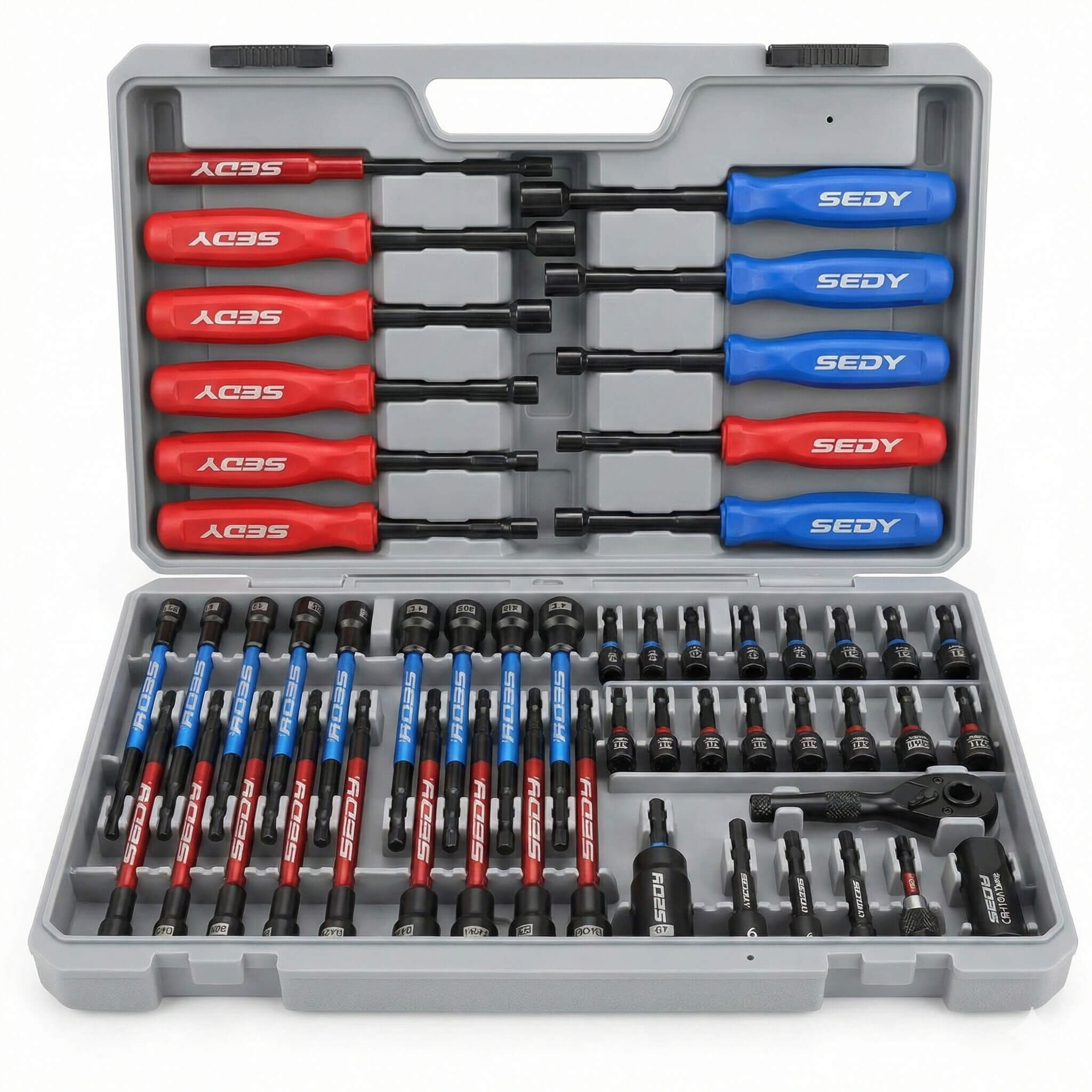
Gather the right tools
Prepare a soft brush, a vacuum with a narrow nozzle, and a gentle degreasing solution suitable for metal fins. Avoid sharp or abrasive tools that could bend or puncture delicate parts. Have a set of clean cloths, a flashlight, fridge compressor replacement guide and a thermometer handy to monitor temperatures. A leaf blower on a low setting can help dislodge dust from tight coils without rattling components. Proper tools minimise risk and improve cleaning outcomes.
Clean the condenser coils
Remove the dust by brushing along the direction of the fins to avoid bending them. Use the vacuum to suck up loosened debris, working from any accessible sides. If grime is stubborn, a mild degreasing spray applied sparingly can help dissolve residues. Let the area dry before reassembling any panels. Regular coil cleaning supports efficient heat exchange and lowers energy use over time.
Check the fan and panels
Inspect the condenser fan for smooth operation and listen for unusual noises, which could indicate bearing wear. Wipe down the fan blades and remove any cobwebs or debris near the motor housing. Check door seals for cracks or gaps that could force the compressor to work harder. Good seals and a healthy fan contribute to balanced performance and quieter operation.
Record keeping and safety notes
Document the date of cleaning, any observations, and parts you inspected. Note unusual temperatures, odd smells, or unusual noises, which may signal deeper issues. If you notice a persistent issue, consider seeking professional advice rather than attempting risky repairs. Keeping a maintenance log helps track wear patterns and plan future servicing in advance.
Conclusion
Careful cleaning and inspection can extend your fridge’s life and keep it cooling efficiently. If you ever need a step by step on more complex tasks, you can consult detailed guides and expert tips. Visit Fridge Mentor for more practical insights and recommendations about home cooling equipment.