

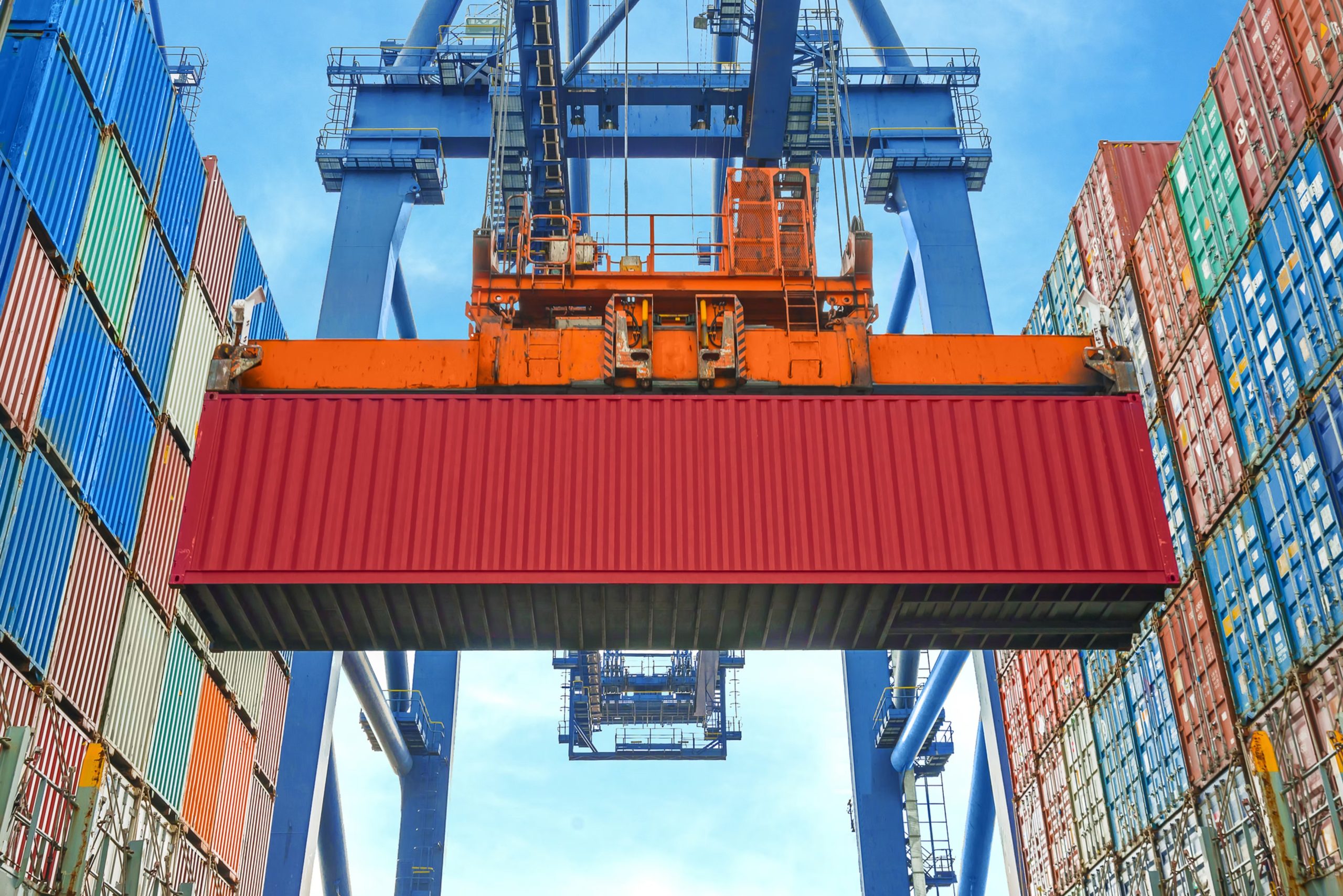
Overview of mobile lifting solutions
In many industrial sites across the country, efficient material handling hinges on reliable equipment. A mobile crane provides flexibility for restricted workspaces, quick setup, and the ability to move between different operations without permanent foundations. Operators value smooth slewing, stable jibs, and intuitive controls that reduce Mobile Tower Crane India fatigue and boost productivity. When selecting a model, consider load charts, reach, and mobility features that align with project timelines and site constraints. Safety accessories such as outriggers, lockable counterweights, and anti-two-block devices are essential for responsible site practice.
Key performance factors to compare
Performance varies with lifting capacity, working radius, and crane speed. For projects that demand quick cycle times, electric drives may offer cleaner operation with reduced maintenance. On sites with uneven terrain, stabilisers and outrigger mats can improve load distribution and minimise soil disturbance. Operators should assess setup time, ease of transport between locations, and compatibility with existing lifting accessories to maximise utilisation and minimise downtime.
Maintenance and operator training
Routine maintenance is fundamental to prolonging the service life of any mobile lifting solution. Regular inspections of hydraulic systems, winches, and brake mechanisms help prevent unexpected failures. Training programmes should cover crane operations, load management, and emergency procedures. A well-documented maintenance schedule, paired with certified operator training, supports compliance with national safety standards and site-specific rules, reducing the risk of accidents and ensuring consistent performance on busy workdays.
Market considerations in India
In India, construction and infrastructure projects increasingly rely on adaptable lifting equipment. Procurement decisions often balance upfront cost against lifecycle expenses, including fuel efficiency, spare part availability, and service networks. Choosing a model with local support can shorten downtimes and simplify compliance with regional regulations. It is also prudent to evaluate warranty terms and the supplier’s track record for timely parts delivery, particularly for core components such as booms and hoists.
Conclusion
Careful evaluation of mobile lifting solutions tailored to regional needs helps ensure project success. Matching capacity with anticipated workloads, prioritising operator safety, and planning for maintenance are foundational steps. Visit Altezza Engineers LLP for more insights if you’re exploring reliable options for your site, and to learn how trusted partners support efficient equipment management in demanding environments.