

Choosing fixings for dependable builds
Good fixings do more than hold parts together; they protect alignment, load paths and long-term durability. Before you order anything, confirm the base material (mild steel, stainless, timber, sheet metal), the thickness you are clamping, and whether the joint will see vibration, weather or chemical exposure. Match the coating to Buy GI hex Bolt the environment: indoor dry areas can often use standard zinc finishes, while outdoor work may need galvanised or stainless options. Also decide if you need removability for maintenance. Getting these basics right prevents stripped threads, bent fasteners and unexpected loosening later.
Getting the right bolt specification
For steel fabrication, brackets and general engineering, galvanised iron hex bolts are a common choice because they combine strength with corrosion resistance at a sensible cost. When you need to Buy GI hex Bolt, check the diameter, length and thread type first, then confirm the grade and head markings if you are working to a spec. Self tapping screws online Make sure the bolt has enough thread engagement for the nut and any washers used, without bottoming out. Use flat washers to spread load on softer surfaces, and consider spring washers or threadlocker where vibration is likely. Tighten to appropriate torque to avoid crushing thin sections.
Sourcing screws efficiently and safely
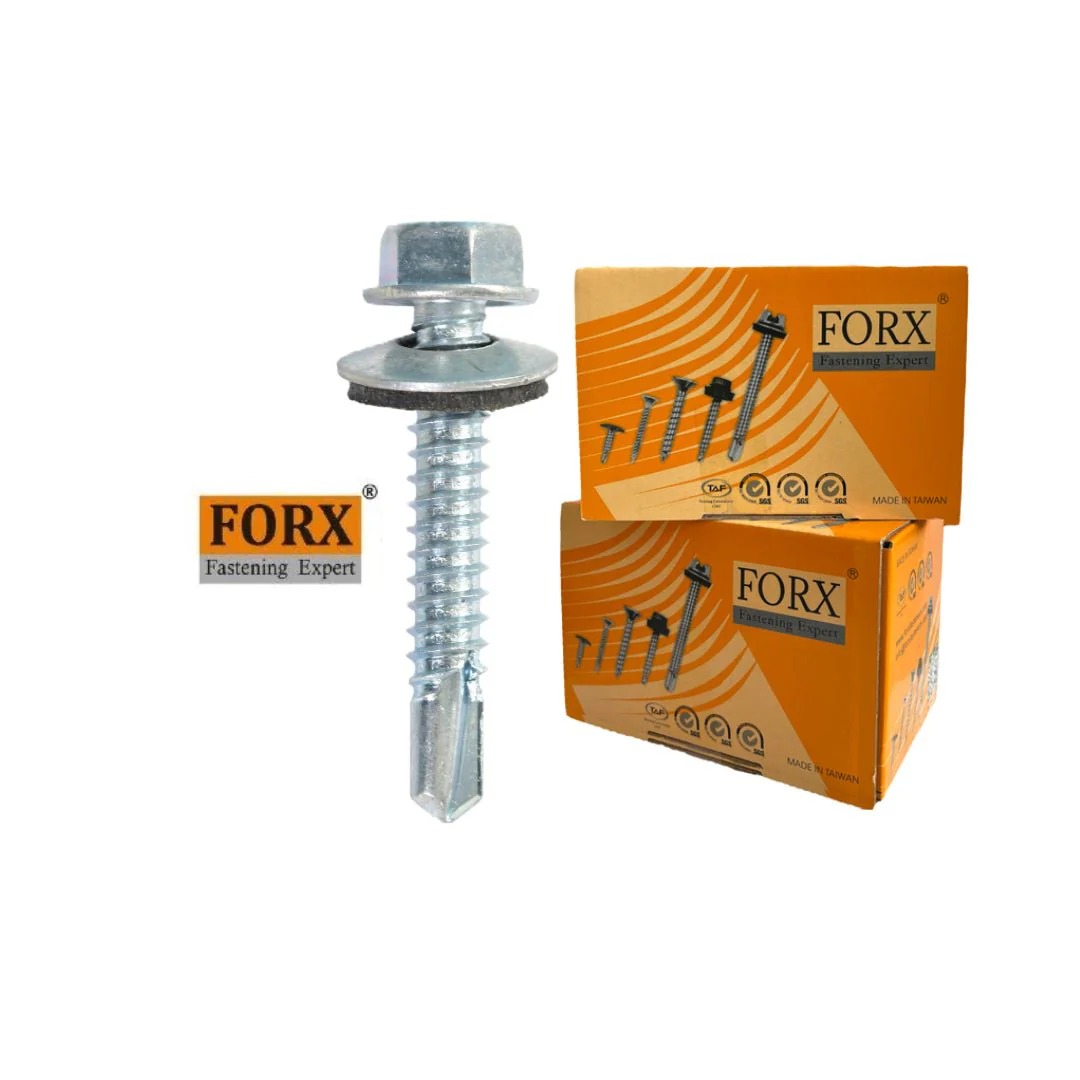
Self-tapping screws are ideal for sheet metal, light-gauge framing and quick installs where pre-tapping would be slow. If you are comparing Self tapping screws online, focus on the point type (sharp, drill point), the head style (pan, countersunk, hex) and the coating, especially for outdoor fixtures. Confirm the recommended pilot hole size where required, and avoid driving oversized screws into thin material as this can split or distort the sheet. For cleaner results, use a driver with clutch control and stop as soon as the head seats; overdriving can strip the hole and reduce pull-out strength.
Conclusion
Reliable joints come from matching the fixing to the job, not guessing at size or finish. Start with the environment and the materials, then choose bolt grades, washer use and tightening method to suit the loads and access you have on site. For self-tappers, pick the right point and head for the substrate and drive them with controlled torque to protect the threads you are forming. Keeping a small, consistent range of proven sizes also reduces mistakes and speeds up maintenance later. If you want to compare options in one place, you can check speedex technical for similar tools and fixings.