

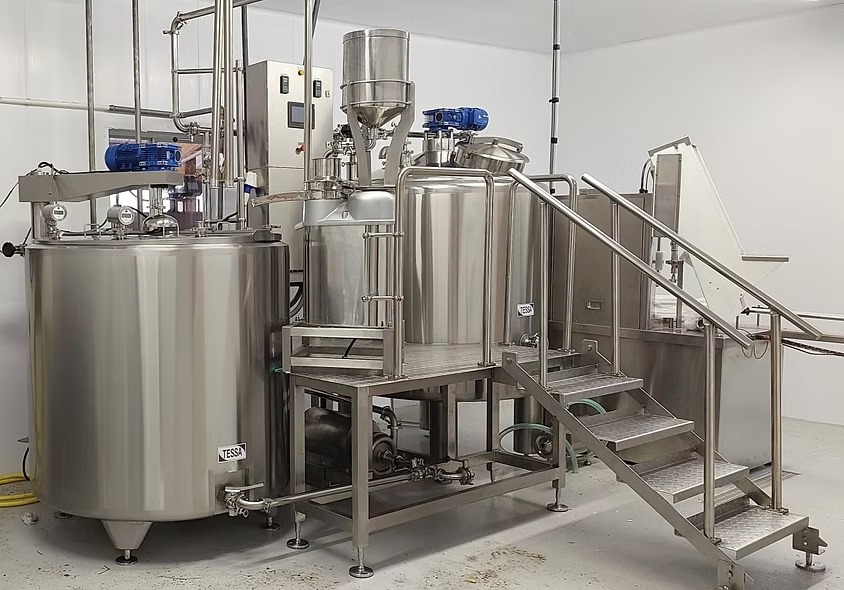
What to check before choosing equipment
Before you commit to a new line, map your product range, daily volumes, and the way your team actually works. A key decision is whether you need quick changeovers between bottle sizes, caps, or milk types, because downtime often costs more than the machine. Pay close attention to hygienic design: smooth welds, milk bottler filler minimal crevices, and easy access for cleaning will make audits simpler and reduce contamination risk. If you are evaluating a milk bottler filler, ask for a clear specification on fill accuracy, foam management, and how the unit handles temperature swings in the product.
How to keep fills consistent and clean
Consistency comes from controlling the process rather than constantly correcting the outcome. Stable product temperature helps, as viscosity changes can affect flow and foaming. Good bottle handling matters too: bottles should arrive aligned, unscratched, and free of residual moisture that can interfere with sensors. Use calibrated level detection and verify it with simple weight milk bottler checks during every shift. Cleaning routines should be practical and repeatable, with documented steps for rinsing, wash, and final sanitise cycles. If you run a milk bottler, set up a short start-up checklist covering valves, seals, and air pressure so small faults are caught early.
Maintenance habits that prevent stoppages
Most unplanned stops trace back to a few predictable areas: worn seals, drifting sensors, sticky valves, or inconsistent air supply. Create a weekly schedule that includes seal inspection, lubrication where appropriate, and verification of torque settings on fittings that may loosen with vibration. Keep a log of minor issues, because recurring “small” faults often reveal a root cause like misalignment or product build-up. Stock critical spares that have long lead times, particularly for pumps, gaskets, and control components. Train operators to spot early warning signs such as irregular fill speed, sudden foam, or changes in noise and vibration.
Conclusion
Choosing and running bottling equipment well is mostly about getting the basics right: hygienic design, steady process conditions, and a maintenance routine your team can follow even on busy days. When you evaluate options, focus on how quickly you can change over, how easy it is to clean safely, and how reliably it holds fill accuracy over a full shift, not just during a demo. If you want to compare approaches or see similar dairy packaging tools, you can casually check Tessa Dairy Machinery Inc.