

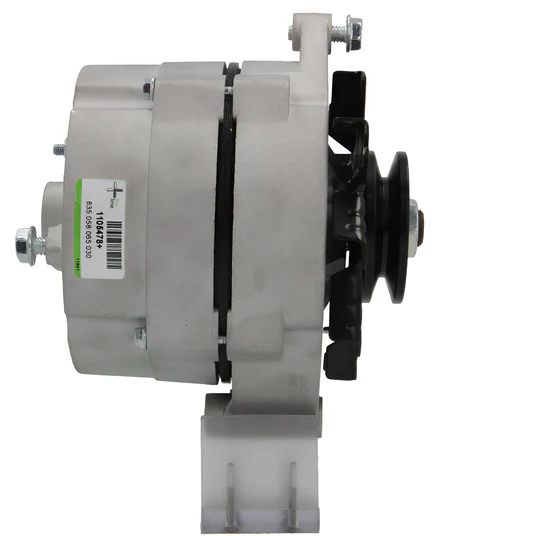
Signs your charging system needs attention
If the battery warning light flickers, headlights dim at idle, or the starter struggles after short trips, the charging system may not be keeping up. You might also notice electrical gremlins such as slow windows, erratic dashboard behaviour, or a burning smell from the belt area. Before new alternator buying parts, check basics: battery condition, belt tension, and clean, tight terminals. A simple voltage test can help; with the engine running you usually want around 13.8–14.6V at the battery. Lower readings often point to alternator or wiring issues.
Choosing the correct unit for your vehicle
Getting the right replacement is about more than matching the make and model. Output rating (amps), pulley type, connector style, mounting points, and whether the unit has an overrunning clutch pulley all matter. Some vehicles need coded or smart-charging compatible units, and stop-start systems can require higher capacity. fast dispatch alternators UK When considering a new alternator, cross-check the OEM reference number, confirm left or right-hand mounting, and ensure any heat shields or brackets can be reused. If you are unsure, providing your registration and engine code helps avoid expensive returns and delays.
Delivery speed without sacrificing compatibility
When the car is off the road, quick delivery is tempting, but accuracy is what gets you driving again. Look for clear part descriptions, proper cross-references, and a returns process that is straightforward if something doesn’t match. For buyers searching fast dispatch alternators UK, it is worth confirming stock status and cut-off times, plus how the part is packaged to prevent transit damage. A rushed shipment of the wrong spec still costs time. Prioritise suppliers who can verify fitment from your details and provide traceable delivery.
What to replace during installation
Swapping the unit is often simple, yet a few extra checks can prevent repeat failures. Inspect the drive belt for cracking and glazing, and replace it if worn. Confirm the belt tensioner moves smoothly and holds tension. Clean the main power cable eyelet and check for heat damage or looseness at the alternator output and battery end. If your vehicle uses an overrunning pulley, make sure it spins correctly in one direction and locks in the other. Finally, verify that any engine earth straps are intact to support stable charging.
Testing after fitting and avoiding common faults
After installation, test charging under real conditions. With the engine warm, switch on headlights, heated rear window, and blower, then recheck voltage and listen for belt squeal. Confirm the warning light behaves normally and scan for charging-related fault codes if your car uses smart charging. Many “bad alternator” issues are actually caused by weak batteries, corroded connections, or parasitic drains, so it’s sensible to load-test the battery and check for current draw with the car asleep. A tidy wiring check now can save another breakdown later.
Conclusion
Choosing the right replacement and fitting it carefully is the fastest route back to reliable starts, stable electrics, and a healthy battery. Focus on correct specification, clean connections, and post-fit testing rather than guessing at symptoms. If you want a simple starting point for advice and availability, you can casually check Mid-Ulster Rotating Electrics Ltd for similar parts and guidance.