

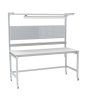
Why sturdy workspaces matter
A well organised workshop starts with a solid surface and a layout that supports your daily tasks. Durable work surfaces reduce wear and tear on tools while providing enough room for hand assembly, measurement, and finishing work. Selecting the right size and height helps minimise fatigue during long shifts and work tables uk improves accuracy when cutting, drilling, or sanding. Consider features such as reinforced corners, easy clean materials, and modular options that adapt as projects evolve. This approach is essential for any busy shop floor that prioritises efficiency and safety in equal measure.
Choosing the right work tables uk thinking ahead
When evaluating options for work tables uk, focus on build quality, stability, and storage integration. A robust frame plus a sealed top resists warping from moisture and chemical spills, keeping surfaces level for precise measurements. Look for adjustable feet to compensate for uneven floors and engineers workbench consider configurations that allow you to extend space with additional benches or mobile carts. The goal is to create a flexible, scalable station that accommodates both routine tasks and occasional heavy-duty projects without sacrificing organisation or comfort.
Features that enhance an engineers workbench setup
An engineers workbench typically benefits from a combination of tool rails, vices, and drawers that keep essential items within arm’s reach. Prioritise stability with a low centre of gravity and choose surfaces that tolerate impact from metal tools. Integrated lighting optional shelving and pegboards help maintain a clean workflow. For electronics or precision work, consider cushioned mats and anti-static surfaces. Thoughtful detailing, such as cable management trays, reduces clutter and distractions during critical phases of assembly or testing.
Layout tips for efficient daily production
Plan a logical sequence of stations that mirror your usual projects, from measurement and cutting to assembly and inspection. Position frequently used tools near the main bench and group related tasks to minimise movement. Use colour-coding for tool bins and store consumables in labelled drawers to speed up replenishment. Regular maintenance checks on clamps, screws, and mounting hardware prevent downtime and extend the life of your work environments, ensuring a smoother workflow across shifts.
Conclusion
By prioritising solid construction, adaptable layouts, and practical storage, you can build a work culture that streamlines production and protects equipment. For those exploring options, consider how each choice fits into daily routines and long-term needs, aiming for longevity and safety. Visit Workshop Workbench for more guidance on configuring spaces that support hands‑on craft and precise engineering work, while keeping the workspace tidy and efficient.