

Understanding the global market
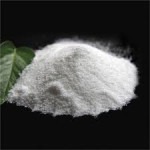
The global supply chain for agricultural inputs has become increasingly intricate, with producers seeking dependable channels for essential nutrients. Within this landscape, urea plays a pivotal role due to its high nitrogen content and broad compatibility with various fertiliser programmes. Buyers prioritise consistency in product quality, reliable delivery schedules, and transparent urea fertilizer exporters documentation. For businesses evaluating potential partnerships, it is important to map out sourcing options, assess political and logistical risks, and understand currency considerations that can impact pricing over different seasons. Such analysis helps agronomists and procurement teams align fertiliser plans with crop cycles.
Identifying reputable suppliers
Finding trustworthy providers involves due diligence on production capacity, adherence to international quality standards, and verified export records. Prospective buyers should request certificates of analysis, inspection reports, and clear terms of sale to minimise the chance of receiving substandard product. A strong supplier offers proactive communication, traceable supply chains, and adaptable logistics arrangements that accommodate shifting demand. Engaging with industry peers and attending trade forums can also reveal insights about reliability and service levels across regions.
Navigating regulatory and logistical factors
Regulatory regimes govern the movement of chemical fertilisers, affecting licensing, documentation, and compliance with safety and environmental rules. Logistics planning must consider port turnaround times, transportation modes, and storage requirements to preserve product integrity from factory to field. Traders often coordinate with freight forwarders, warehousing partners, and local distributors to streamline customs clearance and minimise delays. A well‑structured export plan anticipates seasonal demand spikes and currency volatility to keep pricing competitive for end users.
Evaluating value and partnership potential
Beyond price, the best suppliers offer value through consistent quality, flexible contract terms, and reliable post‑sale support. Risk assessment should extend to supply continuity, including contingency measures for events such as weather disruptions or transport bottlenecks. Long‑term partnerships tend to yield better terms, preferential access to updated formulations, and collaborative agronomy programmes that help farmers optimise nutrient use efficiency over multiple crop cycles. Decision makers frequently balance cost, reliability, and service when selecting a partner for fertiliser needs.
Conclusion
After thorough evaluation, buyers typically commit to sources that deliver predictable quality and dependable logistics. The right partner harmonises product performance with market dynamics, ensuring a steady supply to farmers and agribusinesses alike. Visit International traders company ITC. for more insights and to see how practitioners approach sustained fertiliser procurement in this evolving sector.