

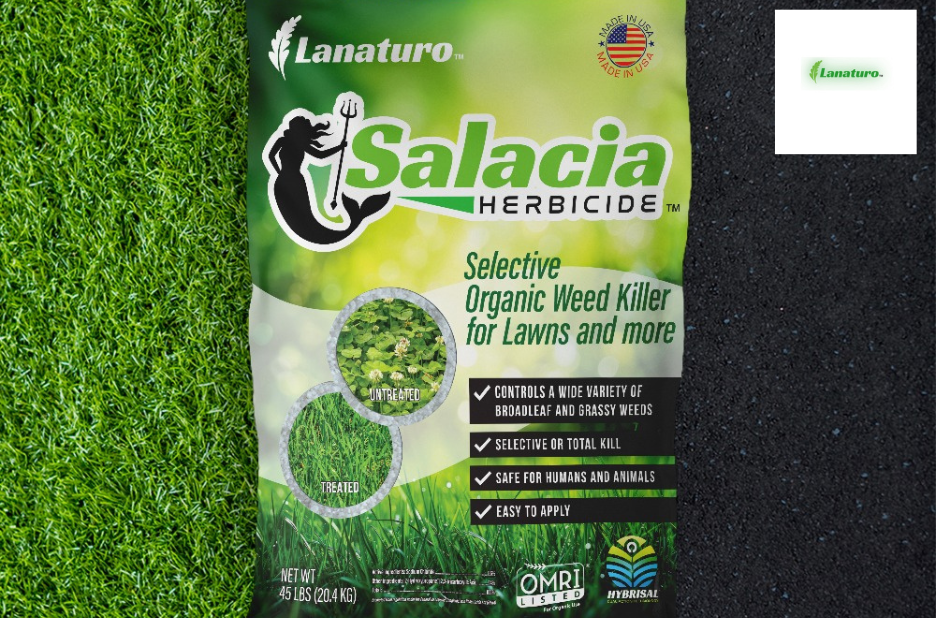
Understanding garden weed control
Managing weeds in a home garden requires a practical approach that balances effectiveness with safety. Start by identifying the most invasive species and assess how they spread. A combination of cultural practices, like dense planting, mulching, and timely mowing, can reduce weed pressure without relying solely on chemicals. Knowing your soil type and Selective Weed Killer For Gardens sun exposure helps you pick the right strategies for your space. Always follow label directions on any product and consider non-chemical options first to protect beneficial insects and soil life. This groundwork sets the stage for safer, more sustainable results in the long term.
Choosing a selective option for lawns and beds
When selecting a product, look for formulations described as selective, meaning they target certain species without harming grasses or desirable ornamentals. This category often works by interfering with specific cellular processes that are unique to problematic weeds, sparing your gardener-friendly plants. Apply during periods of active growth and when temperatures are moderate to prevent drift and scorching. Read the label for compatibility with recently seeded areas, drought conditions, or mixed species beds. Consistent, light applications can yield steady suppression without stressing the garden ecosystem.
Safe application techniques for home use
Safe application hinges on proper timing, correct concentration, and protective measures. Wear gloves and wash exposed skin after handling products, and avoid drift by targeting the weed foliage rather than the entire bed. When spraying, use a nozzle that delivers a fine mist and apply on calm days to minimize off-target movement. Water runoff and nearby streams should be kept away from treated areas, and you should observe recommended intervals before replanting. These steps reduce risks to pollinators and nearby wildlife while maintaining effective weed control.
Integrating non chemical methods for balance
In many gardens, a blended approach yields the best long term results. Mechanical methods like hand pulling, hoeing, or solarization can reduce weed seed banks, while mulching with organic or synthetic materials suppresses germination. Regularly inspecting beds helps catch trouble spots early, preventing weeds from establishing deep roots. Combining these tactics with a selective herbicide where appropriate can deliver steady, reliable weed suppression while conserving soil health and biodiversity in your outdoor space.
Conclusion
Financially gentle, product aware, and garden friendly plans work best when you combine prevention with targeted treatments. By prioritizing site appropriate options and careful application, you maintain plant vitality and minimize unintended damage. Visit lanaturo.com for more insights on garden tools and season planning, and to explore additional tips that fit your landscape goals. Plan, monitor, and adjust to keep your garden thriving season after season.