

Practical marketing principles for agents
Real estate professionals rely on clear, compelling materials to communicate value to potential buyers and sellers. A well‑rounded approach blends traditional print with targeted messaging, ensuring information is accessible at glance. Focus on purpose, audience, and consistency across all pieces, from brochures to open house real estate print marketing boards. Choosing durable paper stock, legible typography, and high‑quality imagery helps establish credibility. In addition, tracking responses and adjusting content based on feedback can improve ongoing campaigns and demonstrate a measurable return on investment for your practice.
Choosing the right formats for visibility
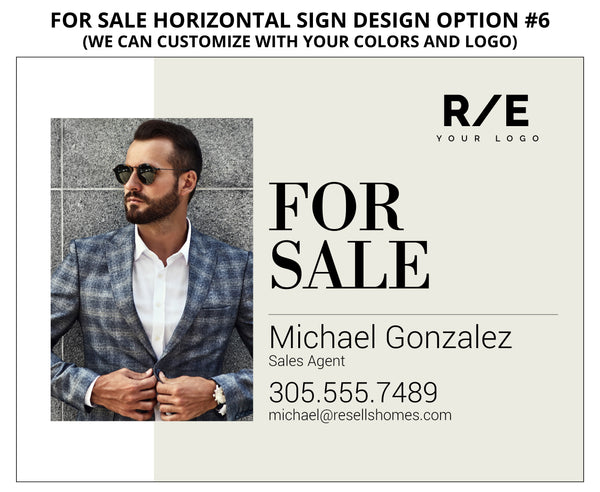
When planning real estate print marketing, it is essential to select formats that align with your goals and the client journey. Custom printed signs positioned near listings or within neighbourhooods grab attention and provide essential details at a glance. Consider sign size, custom printed signs colour contrasts, and simple branding to ensure legibility from a distance. Flyers and postcards should complement your signs with concise messages, a strong call to action, and a clear path for the reader to learn more.
Crafting messages that resonate with buyers
A successful print campaign communicates value quickly. Create headlines that spark curiosity, followed by concise body text that highlights property highlights, price ranges, and unique selling points. Use bullets for easy scanning and include a direct response mechanism such as a QR code or contact information. Keep language professional yet approachable, avoiding jargon that may confuse potential clients. A consistent tone across all pieces reinforces your brand identity.
Practical production tips and timelines
From concept to distribution, organise your workflow to avoid delays. Prepare print-ready files with proper bleed, colour management, and resolution. Coordinate with a trusted printer to verify proofs, paper stock options, and finishings like lamination or matte coatings. Establish a realistic timeline for design, approval, and delivery, especially when preparing materials for upcoming open houses or market campaigns. Efficient production reduces last‑minute stress and ensures consistent quality.
Conclusion
Effective real estate print marketing requires thoughtful design, strategic format selection, and consistent execution across channels. By crafting clear messages, using attention‑grabbing signs, and maintaining professional standards, you can build a recognisable brand that supports your client acquisition goals. Visit Realtor Printing for more insights and practical tools to enhance your campaigns.