

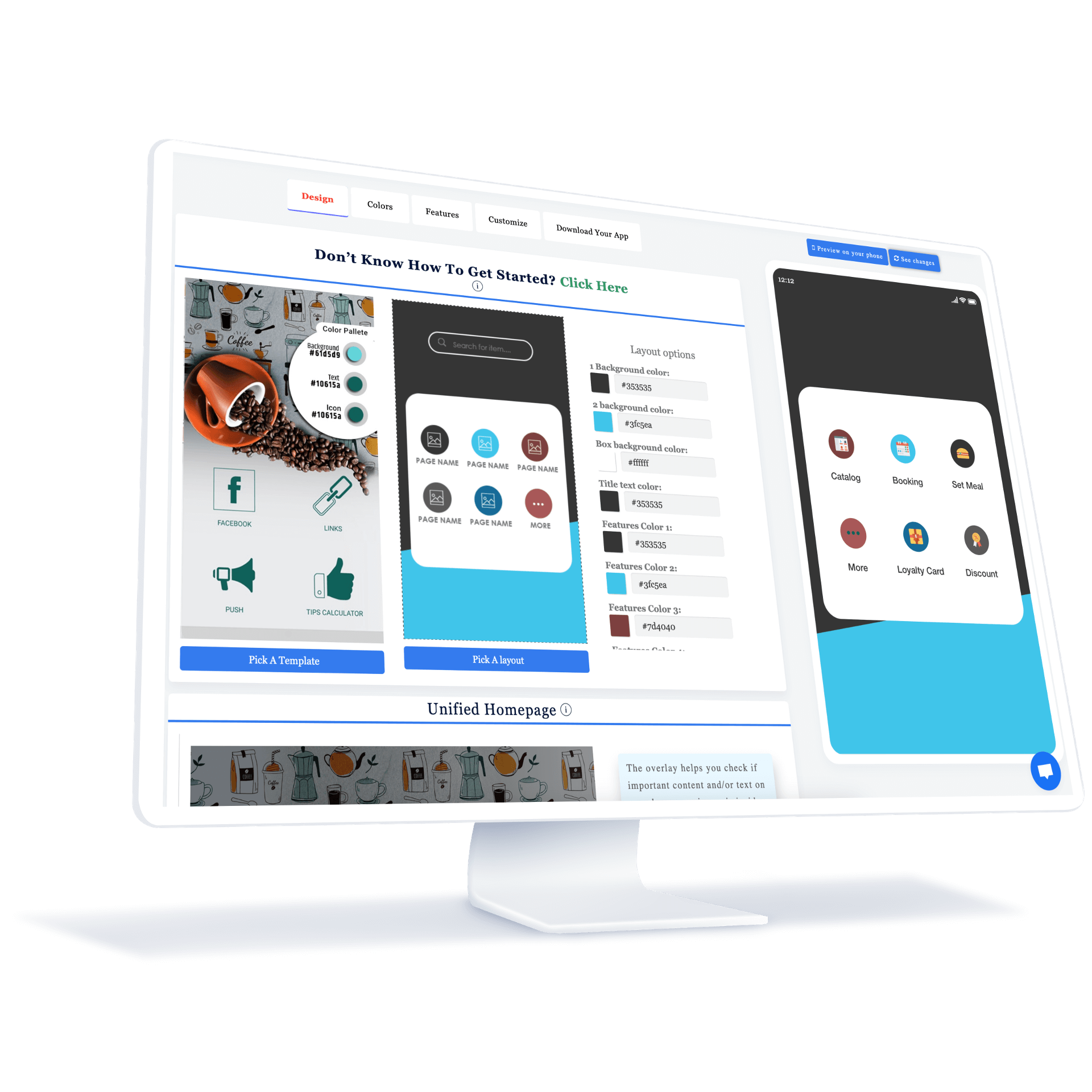
Overview of the platform capabilities
The market for mobile applications continues to grow, and developers need reliable tools to assemble feature rich apps quickly. An offering that supports both Android and iOS platforms helps teams maintain consistency and reduce the learning curve. A solid builder should provide visual design options, code friendly workflows, and clear deployment paths across devices. Android And Ios Apps Builder In choosing a solution, look for strong project organisation features, intuitive drag and drop interfaces, and dependable performance when handling media, data storage, and user authentication. Practical considerations, such as offline capabilities and responsive layouts, play a key role in delivering value to end users.
Why choose a cross platform approach
Cross platform development aims to streamline production without compromising native feel. It enables teams to reuse logic and share assets between platforms, which reduces duplication and accelerates release cycles. A thoughtful toolset will support platform specific customization while preserving a unified user experience. Performance is critical; therefore, the platform should compile efficiently and provide debugging tools that help identify issues early. With consistent testing across devices, you can minimise inconsistencies that frustrate end users and project stakeholders alike.
Key features to expect in a modern builder
A reliable builder delivers a rich feature set: visual editors that map to real device behaviours, component libraries, and straightforward integration with backend services. Expect capabilities for authentication, push notifications, analytics, and secure data storage. Accessibility options, responsive layouts, and internationalisation support broaden your reach. Importantly, a good tool supports version control friendly workflows, easy collaboration among designers and developers, and scalable project architecture that grows with your product roadmap.
Practical steps to start your project
Begin with a clear specification of user journeys and core app objectives. Set up a clean project skeleton, define data models, and map out screens using the visual editor. As you assemble screens, keep a keen eye on performance metrics, including load times and memory usage. Leverage pre built components to accelerate development, but test critical interactions on a range of devices to ensure consistency. Documentation and onboarding should be straightforward so new contributors can contribute without friction.
Conclusion
When selecting a platform for creating mobile applications, focus on a tool that balances speed with robust native capabilities and clear deployment options. A well considered solution supports both Android And Ios Apps Builder workflows while enabling teams to maintain code quality and visual consistency. Swiftspeed