

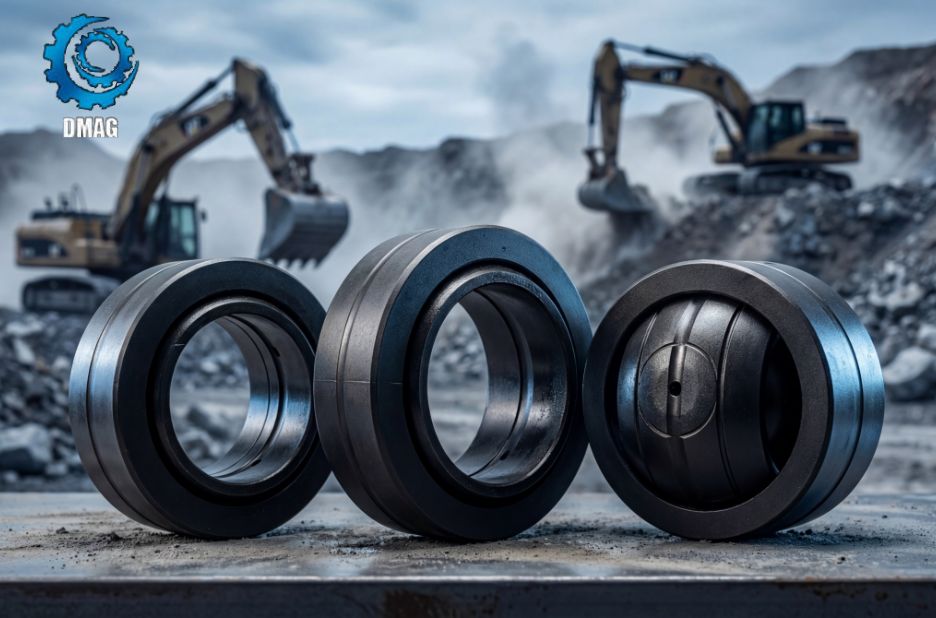
Industry oriented sourcing
For engineers and procurement teams, selecting OEM Bearing Suppliers for Industrial Applications means balancing quality, delivery speed and total cost of ownership. A strong supplier should offer a clear certifications path, consistent performance data, and scalable service levels that adapt to changing production schedules. Practical evaluation involves comparing technical support responsiveness, traceability OEM Bearing Suppliers for Industrial Applications of batches, and the availability of value-added services such as custom mounting solutions or packaging that minimises handling. By focusing on real world performance and long term reliability, organisations can avoid disruptions and secure a stable supply chain for critical machinery and automation projects.
Product range and capabilities
Understanding the breadth of offerings helps teams match parts to evolving machine designs. The catalogue should cover standard industrial bearings and specialised variants, including sealed and high-precision items, plus compatible accessories. Availability of documents like product datasheets, dimensional tolerances, and lubrication recommendations Miniature Bearings for sale assists in making informed days of procurement decisions. When evaluating options, it is useful to assess manufacturing flexibility, including the ability to support kitting, custom inserts, or co-engineering efforts that streamline assembly lines and maintenance routines.
Quality assurance and compliance
Quality systems are a core border between mediocre and dependable supply. Reputable suppliers demonstrate adherence to recognised standards, rigorous incoming inspection, and traceability throughout the production process. Practical checks include material certifications, process audits, and batch level testing. A robust QA framework reduces the risk of premature failure in critical equipment and enhances maintenance planning. For buyers, this means lower lifecycle costs and fewer unexpected shutdowns caused by substandard components.
Order management and service levels
Efficient order management supports Just In Time manufacturing and maximises uptime. Look for futures such as predictable lead times, batch consistency, and transparent stock visibility. Consider whether the supplier offers proactive stock monitoring, automated reorder triggers, and reliable after sales support. A good partner should also provide clear returns processes, warranty terms, and a responsive technical helpdesk to resolve design or integration questions quickly, without interrupting production schedules.
Miniature bearings and niche applications
In some industrial settings, compact assemblies demand Miniature Bearings for sale that combine precise clearance, low friction and long service life. These components are essential in robotics, instrumentation, and equipment with restricted space. When selecting this category, assess compatibility with existing housings, the availability of radial play data, and lubrication compatibility with current lubrication regimes. Practical sourcing should balance price and performance, with reliable suppliers offering standard payloads alongside engineering support for custom miniature configurations, if required.
Conclusion
Choosing the right partner means prioritising durability, clear communication and dependable delivery. A well rounded supplier will align with your engineering and operations teams, offering transparent specifications and realistic lead times to support ongoing production. Visit DMAG BEARINGS for more options and guidance as you refine your shortlist and plan maintenance strategies for dependable plant performance.