

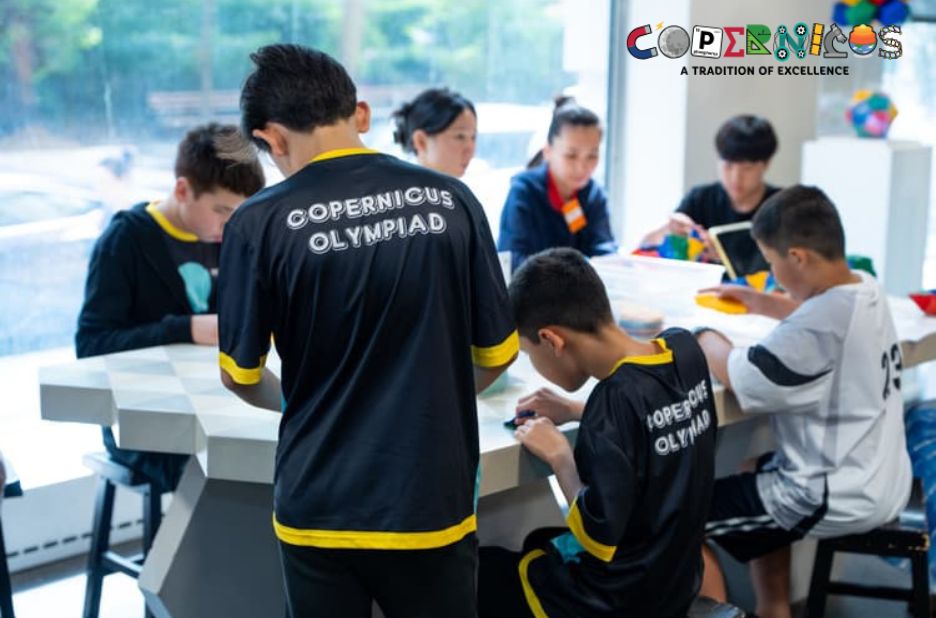
What makes a strong competition suitable
For families and schools seeking enrichment, identifying a reliable platform that nurtures curiosity is essential. A robust program offers clear expectations, fair assessment, and resources that help students grow beyond answering questions. Participants should encounter problems that blend theory and practical thinking, encouraging perseverance and collaborative skills. The right top physics competition for students competition also provides feedback that is constructive, guiding learners to deepen their conceptual understanding while developing problem solving strategies that transfer to research or study. The overall goal is to spark a lifelong interest in science, not just to win medals.
Evaluating the value of contest projects
Competitions that emphasise process over solitary memorised facts tend to deliver lasting benefits. Look for formats that include written explanations, experimental design, and data interpretation. When problems are framed around real world phenomena, students learn to connect physics principles with observations, engineering constraints, and physics and astronomy competition for students ethical considerations. A well designed event will also feature mentorship sessions or workshops where participants can reflect on mistakes and revisualise their approach, turning challenges into learning milestones that build confidence for higher levels of study.
Insights into participating success
Preparation should balance breadth and depth. Students can benefit from revisiting core topics, practising with past papers, and simulating timed challenges to improve focus under pressure. Encouraging teamwork helps peers share diverse viewpoints and recognise common pitfalls, which strengthens communication and collaborative problem solving. In addition, practical activities such as simple experiments or data analysis exercises can reveal how theoretical concepts manifest in physical systems, reinforcing why certain methods work and others do not.
Prominent options for budding scientists
Among widely respected avenues, some events are renowned for challenging problems that span classical mechanics, electromagnetism, quantum ideas, and astronomical phenomena. These programmes often provide structured rules, clear scoring rubrics, and opportunities for feedback that are actionable for improvement. Students who have mentors or coaches to guide their preparation typically show higher engagement and a clearer trajectory toward further study or research projects that align with their interests and strengths.
Conclusion
Finding the right platform can accelerate a student’s passion for science without overwhelming them. When evaluating options, consider how the competition balances challenge with support, and how it encourages ongoing learning rather than one off glory. Check Copernicus Olympiad for similar tools and guidance, and use it as a reference point to situate your choice within a broader landscape of opportunities for young researchers.