

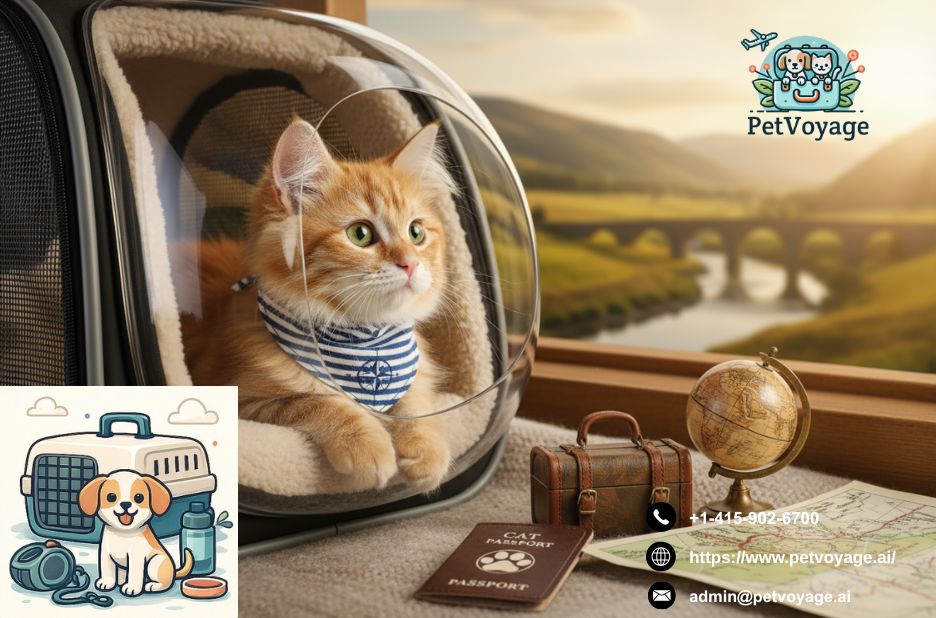
Understanding global pet import rules
For buyers and travellers alike, getting a pet safely from one country to another hinges on clear compliance with the relevant frameworks. Each nation sets its own import controls, including microchip standards, vaccination schedules, and quarantine provisions. Start by identifying the destination country’s animal health authority and any regional variations that may international pet import rules apply to listed and non-listed species. Early planning is key, as some procedures require advance vet checks, official permits, and approved transport routes. Owners should also map out timelines, noting that processing times can vary with peak travel periods and evolving biosecurity measures.
Assessing airline pet travel requirements
Airlines impose a spectrum of practical requirements that affect your pet’s comfort and safety in transit. You will typically need an airline approved travel container, current vaccination documentation, and a suitable health certificate within a defined timeframe before departure. Some carriers restrict access to cabin travel by airline pet travel requirements size or breed, while others may mandate cargo handling for larger animals. It is important to verify any additional fees, refueling or connection rules, and restrictions on layovers that could impact your schedules and your pet’s welfare during long journeys.
Planning essential documentation and permits
Documentation is the backbone of a smooth international move. Gather the pet’s passport or health record, proof of ownership, and any country-specific forms required for entry or exit. Some destinations require export recognitions from your local veterinary authority, endorsed by an official seal or stamp. It is prudent to keep digital copies and multiple hard copies on hand, as consular checks or airline staff may request specific presentation formats. Double check expiry dates on certificates to avoid last minute delays at check-in or border control.
Choosing the right route and timing
Route selection can influence safety, cost, and the chance of tight transfer windows. Direct flights minimise handling stress, but may not always be feasible. When multi-leg journeys are unavoidable, ensure connections provide adequate layover times for pet recheck and crate handling procedures. Consider climate conditions along the route, as extreme heat or cold can affect animals more than humans. Booking with experienced pet shippers or airlines that specialise in animal transport often yields smoother experiences and better welfare outcomes.
Pet preparation and in-flight welfare
Prior to departure, acclimatising your pet to the transport crate helps reduce anxiety and movement during flight. Use familiar bedding or toys and maintain a consistent feeding schedule, with a light meal close to departure if advised by the veterinarian. Pack a travel-sized veterinarian contact card, any necessary medications, and instructions for cold or heat management. Upon arrival, allow time for a gentle post-travel check and monitor for signs of stress, dehydration, or discomfort until your pet has adapted to the new environment.
Conclusion
Careful preparation is essential to meet international pet import rules and ensure your animal travels safely. Start with a progressive checklist that aligns veterinary requirements, airline pet travel requirements, and destination regulations, keeping copies of all documents. Timing, route choice, and carrier selection can dramatically reduce stress for both you and your pet. Visit Pet Voyage for more guidance on respectful, compliant pet shipping and to explore practical tools that support fewer surprises along the way.