

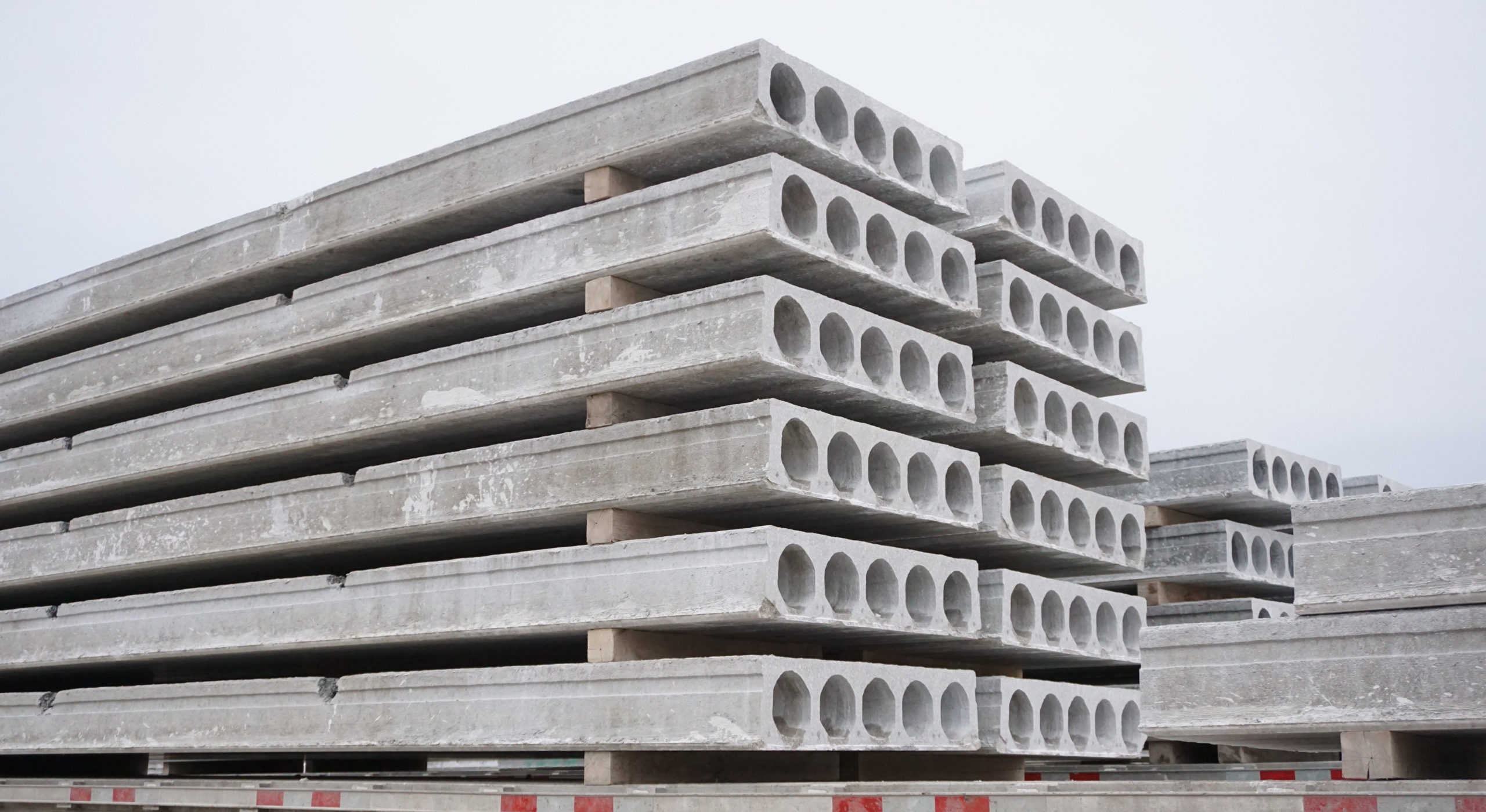
Introduction to prefabricated walls
Precast concrete walls offer rapid assembly and consistent quality for a wide range of building types. By casting wall panels offsite under controlled conditions, builders can reduce on-site weather delays and improve project timelines. The method supports precise dimensions, insulation options, and precast concrete walls integrated features such as openings or recesses. This approach also minimizes waste on site and allows for safer handling during installation, which is particularly beneficial for multi-storey developments and renovation projects that require reliable structural components.
How precast walls improve construction efficiency
Using precast concrete walls can streamline workflow by enabling faster panel turnaround and fewer on-site trades to coordinate. Factory production means better adherence to design tolerances, improved surface finish, and the possibility to incorporate acoustic and thermal performance into the panels. Projects can experience shorter crane times and less disruption to surrounding environments, making them appealing for urban builds and high-density sites where space is at a premium.
Design considerations for durable wall systems
Engineered wall panels must account for wind load, seismic demands, and integration with floor slabs. Tradeoffs between thickness, reinforcement detail, and insulation influence both cost and performance. Designers typically partner with manufacturers to specify joint details, edge treatments, and weatherproofing strategies that ensure long-term durability, moisture control, and ease of maintenance across the structure.
Practical applications across sectors
Precast concrete walls find use in residential, commercial, and industrial projects, where consistent quality and rapid construction cycles are valued. In housing, they support energy efficiency and strong fire performance, while in commercial settings they enable open-plan interiors with reliable long-span walls. Industrial facilities benefit from robust panels that resist wear and provide dependable containment for utilities, equipment, and processes.
Conclusion
In modern builds, precast concrete walls combine speed, strength, and precision to meet demanding schedules. They offer a repeatable, high-quality method that adapts to varied architectural goals and site conditions. For those exploring further options, Visit Fritz-Alder Precast for more information about similar wall systems and related solutions.