

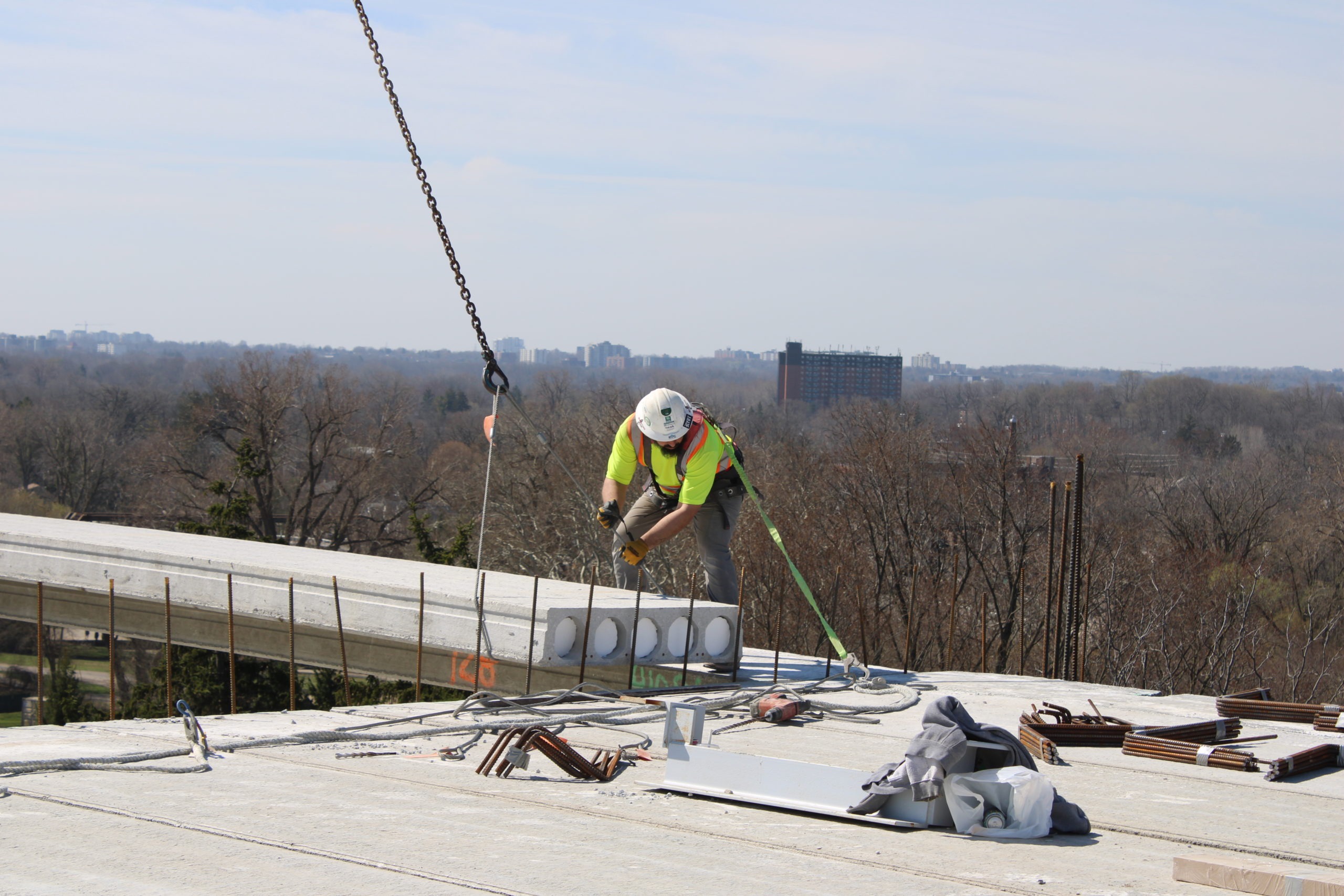
Overview of prefabricated design
In modern construction, efficiency and quality control drive the choice of components. Precast elements offer precise fabrication in controlled environments, improving build speed and reducing on site waste. Designers and engineers often lean on modular strategies that align with tight schedules and budget constraints. By standardising connections precast structural solutions and detailing, teams can predict performance and streamline approvals. The aim is reliable performance across varying loads and conditions, while maintaining light construction footprints and adaptable layouts for future changes. This approach supports resilient infrastructure with low lifecycle costs.
Material selection and performance
Material choices influence durability, thermal performance and acoustic outcomes. Concrete grades, reinforcing steel specification and protective coatings are selected to suit climate exposure and service life. Tradeoffs between weight, strength and ease of handling shape the final configuration. Engineers assess load paths, redundancy, and maintenance needs to ensure long term stability. Early collaboration with fabricators helps align manufacturing tolerances with site realities, minimising adjustments during installation and commissioning.
Manufacturing and logistics considerations
Centralised production facilities enable consistent quality and rapid throughput, while digital tools track fabrication progress and inventory. Shipping strategies and crane access determine sequence planning and risk management on site. Designers can exploit standardised modules to expedite delivery of large spans or complex geometries. Careful programme management, together with dependable suppliers, reduces disruption during critical phases such as tight window construction or weather‑sensitive work, delivering predictable performance and cost control.
Installation and long term maintenance
On site, precision connections and robust anchor systems are crucial for rapid assembly and structural integrity. Temporary works planning and safety management support steady progression from foundation to final enclosure. Quality assurance checks during lift, fit and grouting ensure alignment with project specifications. Once installed, precast assemblies contribute to safer, quieter environments and simpler future maintenance, with clear access for inspections and routine servicing. This approach helps facilities stay functional with minimal downtime over decades.
Conclusion
Adopting precast structural solutions can enhance project clarity and performance throughout the lifecycle. By coordinating design, manufacture and installation in a controlled workflow, teams reduce risk and optimise cost. For stakeholders seeking steady schedules and dependable outcomes, engaging early with fabrication partners and adopting standardised components pays dividends. Visit Fritz-Alder Precast for practical insights and further support in choosing durable, efficient options for your project.