

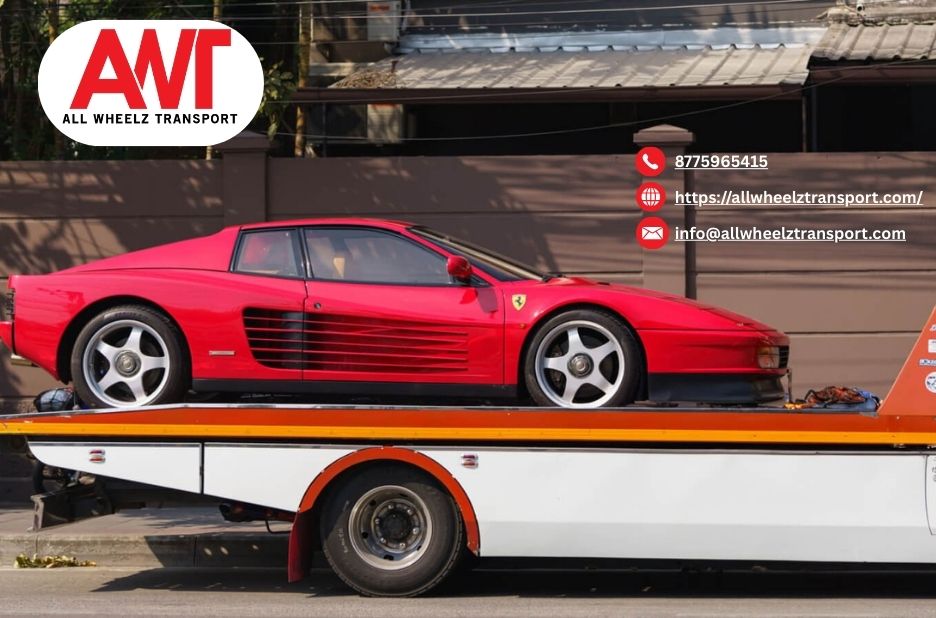
Choosing a Reliable Carrier
When planning any move of a vehicle, reliability tops the list. Start by researching local and national auto transport companies with strong reviews, transparent pricing, and clear timelines. Look for carriers that are insured and licensed, with real-time shipment tracking and upfront quotes that cover door to door service, terminal San Francisco Car Shipping options, and any extra fees. A company that offers comprehensive vehicle protection plans can provide peace of mind during transit, especially for high-value or collectible cars. Always verify the specific services included so you aren’t surprised by hidden costs or delays.
Understanding Transport Options
Options vary from open transport to enclosed trailers, each with its own trade-offs in cost, protection, and accessibility. Open carriers are generally more affordable and suitable for everyday vehicles, while enclosed transport shields your car from weather and road debris. Consider pickup and delivery flexibility, especially in busy urban areas where curb space and access can complicate logistics. Transparent timelines help you coordinate insurance, registration, and delivery appointments without last minute changes.
Preparing Your Vehicle for Transit
Preparation reduces risk during loading and unloading. Clean the exterior to allow inspectors to note any preexisting damage, remove personal items from the interior, and ensure the gas tank isn’t full to minimize weight. Document existing scratches or dents with photos, and confirm that alarms won’t trigger during transport. Remove oversized spoilers or racks if possible. A simple checklist here can prevent misunderstandings about the car’s condition upon arrival and speed up the final inspection process.
Managing Schedules and Timing
Transit timelines depend on distance, route, and carrier schedule. Long-haul routes through the West Coast may encounter weather or traffic delays, so build a buffer in your plan. Ask for a delivery window and verify how the carrier handles unexpected holds. Tracking should be continuous, with updates at each major transit checkpoint. If you need the vehicle by a specific date, communicate that clearly and confirm the carrier can meet the deadline before committing to service.
Insurance and Liability Details
Insurance coverage varies by provider and service level, so compare policy terms carefully. Confirm what is covered for theft, vandalism, and collision while in transit, and understand deductibles. Some carriers offer cargo insurance with compliant carriers and additional protection for high-value cars. Keep a recent appraisal handy and share it with the carrier to align expectations for any possible claims. Understanding the coverage helps prevent disputes after delivery and protects your investment.
Conclusion
Choosing the right service for San Francisco Car Shipping requires clear communication, thorough preparation, and a trustworthy carrier. Start with reputable options, compare options for open versus enclosed transport, and prepare your vehicle to minimize risk. Establish a precise timeline, confirm insurance levels, and stay engaged with the carrier throughout the process to ensure a smooth, on-time delivery to your door.