

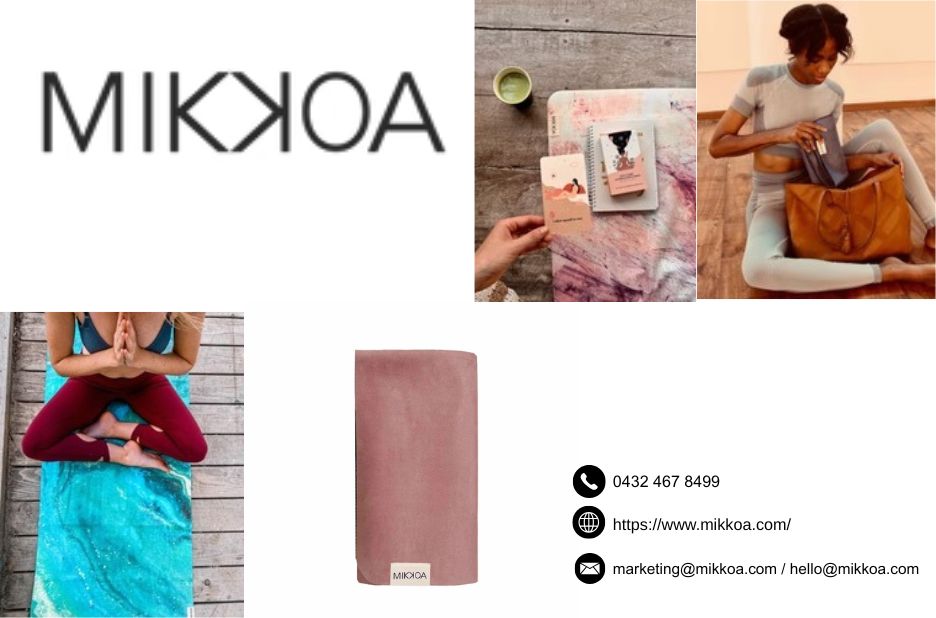
Compact design advantages
When choosing a reliable option for home practice or travel, a compact design matters. The foldable yoga mat offers a versatile solution that folds into smaller sections for easy transport and storage. This approach reduces bulk without compromising on grip or cushioning, making it suitable for users who share space with other foldable yoga mat activities or live in compact homes. An important consideration is how evenly the surface folds so that no ridges interrupt balance during poses. A well engineered folding mat keeps joints protected and supports varied routines, from mobility work to meditation sessions in tight spaces.
Materials and durability factors
Durability is influenced by the materials used and the way the mat is constructed. Look for a surface that resists moisture and tearing, with a non slip backing to maintain stability on slick floors. The core should balance cushion with light weight, ensuring that folding sections do folding yoga mat not compromise support. Some models use closed cell foam or natural rubber blends to offer a balanced feel underfoot while remaining easy to clean. Handling occasional sweat or dust without degrading performance is a practical expectation for most users.
Portability for travel and gym sessions
Portability is a key selling point for a folding item in this category. A foldable yoga mat should fit inside a standard bag or carry case, letting you take workouts on holiday, to the gym, or between studios without dragging a bulky accessory. Look for good connector mechanisms that keep the folds aligned when carried and a lightweight weight that does not tax your shoulders. User reviews often highlight how easy it is to unfold and lay flat, reducing set up time before a session begins.
Grip, comfort, and surface texture
Grip is essential for safe practice, particularly on hard floors or in humid conditions. A textured surface with a slightly tacky feel helps prevent sliding, while a consistent thickness across the mat supports alignment in standing and seated poses. For folding models, consider how the texture behaves along the fold lines; some products feature reinforced edges to minimise wear at the joints. Comfort also hinges on cushioning that protects the spine and joints during kneeling or supine stretches, contributing to a more enjoyable routine.
Maintenance and care tips
Proper care extends the life of a foldable option. Wipe down after use with a mild cleaner to remove sweat and oils, then air dry completely before folding away. Avoid exposing the mat to direct heat or prolonged sunlight, which can degrade surface integrity over time. Storage should keep folds aligned and prevent bending at weak points. Regular inspection of stitching and seam quality helps catch issues early, ensuring the folding or unfolding process remains smooth across many sessions.
Conclusion
With thoughtful selection and routine care, you can maximise the performance and lifespan of a foldable yoga mat, ensuring it reliably supports diverse sessions whether at home or on the move.